Posts in business & career
Outcomes from acknowledging life outside your walls
The CES Bound road trip team in 2010. I’m the one on the left (I look like a baby). Photo from Griffin Technology.

The CES Bound road trip team in 2010. I’m the one on the left (I look like a baby). Photo from Griffin Technology.

You have to acknowledge there is life outside the walls of your organization. I know, you understand this, but most people during the day-to-day forget. We are focused on prospecting and client work that we often neglect considering what’s beyond those walls.

I want to teach you the true value of embracing life outside your walls. Doing so will lead to happier and more connected employees. This will improve retention and save you money on recruiting and retraining your team members when they quit.

This particular story hits three of the most important pieces of life outside your walls. You have to have internal aspects, external aspects, and trust.

In 2010, I proposed an idea to gather a few fellow team members at Griffin Technology and embark on a road trip. The plan evolved into a major undertaking that involved rebuilding a 1972 VW Westfalia after hours, driving it 2,500 miles from Nashville to Las Vegas, organizing meet-ups with our customers, and parking ‘Double Nickles’ in our booth at CES (the largest consumer electronics show in the world).

Life Outside Your Walls

Trust

Let’s begin with trust. Without the consent of the leadership team at Griffin the trip, affectionately known as CES Bound, would not have taken place. People who work in companies that do the best job creating a culture of trust, compared to those in companies that are the worst at it, are 50% more productive, 76% more engaged, and have more than double the energy, according to research led by Paul Zak, director of the Center for Neuroeconomics Studies at Claremont Graduate University. Trust matters.

Externally

Allowing your team members the freedom to leave the office to attend conferences and tradeshows can be incredibly rewarding. They learn new skills and build relationships with future clients or customers, employees, and strategic partners.

The CES Bound trip was a six-day journey of getting to know my colleagues better. Lifelong friendships and brand loyalty were established.

Internally

The staff at Griffin eagerly volunteered their time to rebuild an immobile classic VW bus after hours. The team also organized meetups, promotional partnerships, media coverage, and 2,5000 miles worth of content for social media and promotional usage like this road trip tips guide we made.

What happened?

The outcomes of this initiative were:

This is a nice example of how the creativity of people who have a vested interest in an organization can be harnessed in completely novel ways.

What this tells me is that Griffin listens to its innovative talent instead of ignoring their disruptive actions. This is really necessary for an organization that has to remain nimble and resilient in an industry that changes daily. Being able to leverage its own internal creativity increases the chance that Griffin will continue to be successful.
— Richard Gayle, President, SpreadingScience.
  1. We had a team of connected people with unparalleled trust in the company.

  2. We had a team that was more cohesive than ever and it actually led our work within those walls to be even better.

  3. We had tons of content like photos and videos that helped promote our company culture and products.

  4. We welcomed countless media professionals and buyers to our booth at CES who wanted to learn about our new products and have their photos made with the bus.

  5. We received media coverage from technology and business reporters.

I’m not telling you to go on a road trip, but you have to get this right and do these things if you want to have happy connected employees and if you want to reduce costs of recruiting and training replacement staff. Think about other ways you can celebrate life outside your walls.

I loved working at Griffin Technology. We built such a strong team and culture that we were able to grow and eventually, the acclaimed technology company was even acquired.

Three costly employee onboarding mistakes and how to avoid them

What is it about starting a new job that makes you want to quit? Up to 20% of employee turnover happens in the first 45 days for new hires!

According to SHRM, one-third of new hires quit their jobs after nearly six months. Just putting bums into seats behind computers does not save your fast-growing technology company money. In fact, losing and retraining staff is costly. A company can spend six to nine months of an employee's salary to replace them. For an employee making $60,000 per year, that comes out to $30,000 - $45,000 in recruiting and training costs. Yikes!

You want happier and more connected employees to improve retention, build a strong culture, and stop wasting money on recruiting and training. According to an HR Executive article by Jamie Kohn, “Employees today are experiencing a crisis of connection. According to Gartner research, only 40% of employees feel a sense of belonging at their organization. The problem is even worse for new employees; just 32% of employees hired in the past 12 months feel a sense of belonging to their organization.”

Three common employee onboarding mistakes to avoid the wrecks.

1. Failing to prepare for the new employee’s arrival.

A study by Octanner found 69% of employees are more likely to stay with a company for three years if they experienced great onboarding. Organizations with a standard onboarding process experience 50% greater new hire retention.

Alexandra Hicks at Zenefits shares ten ways to prepare for an employee's first day. She perfectly captures what I recommend companies do.

  1. Send a first-day welcome announcement to the company. I suggest including an internal FAQ as I wrote about in my Nice Method post about how to avoid the wrecks.

  2. Prepare their space.

  3. Provide a staff directory.

  4. Simplify first-day paperwork.

  5. Offer a solid training program.

  6. Assign a mentor.

  7. Plan an activity.

  8. Give a welcome gift.

  9. Check in.

  10. Show your enthusiasm.

2. Companies often fail to reinforce their values, purpose, and beliefs. 

What are your beliefs? As Ron Tite wrote in Think, Do, Say, “Believing isn’t enough. You have to act to reinforce your beliefs. These actions are based on who you do your work for, what they want you to do, and who you do it with. Tite shares the example of REI who states “We believe a life lived outside is a life worth living.” So they close their 167 stores on Thanksgiving and Black Friday to encourage their 13,000 employees to #OptOutside. In fact, they pay their staff to do this and encourage other brands to follow suit.

A Gartner survey from June 2020 of 600 employees revealed that employee engagement declined when their employer simply made a statement with no action behind it. When a company took action on a social issue, employee engagement increased by 20 percentage points.

3. Not setting clear goals and expectations.

Click to enlarge.

Leaders should use the Nice Method to encourage discourse and clarity with their new hires. To do this, be sure they are aware of your open-door policy for feedback and questions. Schedule “Ask me anything coffee” meetings ahead of time, so they are on your new team member’s calendar.

Create SMART Goals and share them openly. To do so; be specific, make the goals measurable by setting key performance indicators, set realistic and achievable goals, be sure your goals are relevant to the business and make them time-bound to know when each goal is due.

Finally, be clear with your team when onboarding begins, how long it will last, and what impressions you want new hires to feel at the end of their first day working with you.

Onboarding is a crucial process in the Nice Method and doing it well will help you avoid the wrecks.

Photo by Tim Mossholder on Unsplash.

How to stop employee turnover at tech companies

The findings of The Achievers Workforce Institute’s February 2021 survey are sobering. Fifty-two percent of fully-employed employees said they intend to look for a new job this year, up from 35% in 2020. These numbers are especially concerning for the software technology industry who, according to LinkedIn’s most recent study found the industry has the highest turnover rate of 13.2% rate. This figure can be as high as 21.7% for embedded software engineers.

I worked for two fast-growing technology companies and experienced the negative side of growth first-hand. One day, as I was getting a cup of coffee, I noticed a new face preparing her own cup. Her affixed ID badge indicated she too worked there, so I concluded she had just joined our team.

“Hi, I’m Dave, I work in marketing. You must be new.” I smiled and welcomed our new addition.

With a half-hearted chuckle, she replied, “I’ve been working here for four months.” I could tell this was probably not the first belated welcome conversation she experienced in our quick-growing firm. I never saw her again, which left me to conclude she moved on to a different, more welcoming, nicer company.

Success can be a painful journey for your team members. Companies lose their heart as communication and cohesiveness faulters through rapid growth. Your longest and most loyal employees begin to abandon ship because they feel excluded or no longer heard.

A study by The Society for Human Resource Management (SHRM) reported that on average it costs a company 6 to 9 months of an employee's salary to replace him or her. For an employee making $60,000 per year, that comes out to $30,000 - $45,000 in recruiting and training costs.

I want to give leaders a look behind the scenes at what goes wrong, and how to fix it. The fact that it takes an average of 51 days to fill an IT role in the US, you simply can’t afford to ignore the turnover. While compensation matters, it isn’t the top factor when it comes to retention. Work-life balance and recognition both rate higher than compensation for retaining top talent.

The Nice Method includes three pillars to leaving you with happier and more connected employees, they are Hear Your Team, Avoid The Wrecks, and Life Outside Your Walls.

When you hear your team members actively listening, you avoid the wrecks that cause churn. When you take the time to bring your people together and you consider life outside your walls, you humanize your team which makes them happier and more connected. Happier teams have longer tenures, so you can stop wasting money on recruiting and training.

The U.S. Bureau of Labor Statistics found 4 million people quit their jobs in April 2021 — the biggest spike on record. The Nice Method will help you avoid being a part of similar future statistics.

If you’re a fast-growing tech company and you’re experiencing challenges with employee retention you are probably getting one of the Nice Method three pillars wrong.

Step 1. Hear Your Team 👈

Step 2. Avoid the Wrecks

Step 3. Life Outside Your Walls

Immigrants, sex, and donuts
immigrants sex donuts.JPG

Immigrants come to this country in droves. They start businesses and use a tax loophole, so they don’t have to pay taxes. They then invite their family members and friends here, they too start similar businesses, and they don’t pay taxes either!

This is something two American friends told me a number of months ago before dinner. They explained that these loopholes are how immigrants come from countries like India and Korea and now run most mid-range hotels and convenience stores, respectively.

Naturally, I was dumbfounded. I Googled their tax claim and discovered they were wrong. I politely added that I wish it was true since I’m an immigrant. I joked that I wanted to cash in on this*. They were both surprised but accepted my fact-checked revelation.

I explained that it made sense that an immigrant who comes to America and starts a successful business would invite their extended family. Naturally, they would support and mentor them to create similar businesses. This is what Irish laborers and Italian restauranteurs did in the early days of the US. Go back even further and it was the Spaniards and French who built great wealth from this Native American land.

I don’t expect the gentlemen were racist, they were simply ill-informed by rumors and misinformation. It’s easier to make the case when the people you refer to don’t look like you. Besides, I added, isn’t discovering loopholes to pay as little tax as possible the American way? Even that former president applauded such efforts, but I digress.

Sex & Donuts

Recently, I watched two documentaries on Hulu. I didn’t expect they would both leave me thinking a lot about immigrants... and sex and donuts.

The first film was Ask Dr. Ruth. I watched it because I was just speaking with my kids the other day about her. I told them how we (people growing up in the ’80s) learned all about sex from Dr. Ruth Westheimer (and Sue). I was curious about her story and decided to give the movie a try. I had no idea that Dr. Ruth had been a refugee who lost her parents during the holocaust. She ended up immigrating to the US in 1956.

The second film was The Donut King. The story of Ted Ngoy, also known as the “Donut King” who came to the United States as a penniless refugee from Cambodia in 1975.

Both Dr. Ruth and Ted Ngoy had horrific experiences that led in part to their relentless work ethic and passion for supporting others. Dr. Ruth literally taught thousands of Americans about sex, while Ngoy taught hundreds of Cambodian refugees how to open and run their own donut shops across the country. Both are heroes.

I had no idea that an estimated 80% of donut shops in the Los Angeles area are owned by Cambodian Americans. In Houston, Texas, the percentage is an even larger 90%.

This morning, on the way to school, I took my kids to our local donut shop and mentioned the movie to the cashier. She laughed and confirmed that she too was Cambodian!

I realize immigration is a complex topic that’s far beyond my scope. But I encourage you to watch both of these excellent films and use the web to fact-check when you hear outlandish statements.

And in case you’re wondering, here are the top 25 US companies run by immigrants.

  1. Tesla

  2. Google

  3. eBay

  4. PayPal

  5. Nordstrom

  6. BNY Mellon

  7. Kohl’s

  8. Cognizant

  9. LinkedIn

  10. Big Lots

  11. DuPont

  12. Pfizer

  13. Yahoo

  14. Soros Fund Management

  15. Kraft Heinz

  16. Goldman Sachs

  17. General Electric

  18. Comcast

  19. Emerson

  20. Capital One

  21. Procter & Gamble

  22. WellCare Health Plans

  23. Honeywell International

  24. Colgate

  25. Thermo Fisher Scientific

*This immigrant always pays his taxes in full.

Lessons Learned from The Diamond Cutter

The Diamond Cutter by Geshe Michael Roach is a wonderful business book unlike any other.

The main story is the practical application of Buddhist philosophies to the world of business, based upon Geshe Michael Roach's seventeen-years of experience as an employee of the Andin International Diamond Corporation, a company that grew during his tenure from four employees to a world leader in the jewelry industry.

The two main takeaways, I want to share with you are related to how we treat our colleagues and how we consider money.

How we treat others

I once worked with a person who was a loud eater. They would smack their lips in a way that would drive me insane. I had to exit the room while the person lunched just to avoid flipping my desk over in disgust.

The Diamond Cutter made me reconsider this type of negative thinking when dealing with someone who annoys you. Here’s the passage I would like you to read and consider for yourself.

… nothing that ever happens to us is a good thing or a bad thing from its own side, because —if it were— then everyone else would experience it that way as well. For example, our irritating person at work would strike everyone else in exactly the same way, if his or her “irritating-ness” were something inside that was flowing out of that individual and flying across the room to us. In reality though there is almost always someone who finds the person to be good and lovable

The fact that this is the case has two important implications:

1) This person has no quality, within him, of being irritating or nice. He himself, from his own side, is “blank” or “neutral” or “empty”. 

2) The reason that we personally experience this person as being irritating must be coming from somewhere else.

Apparently, there is no “irritating-ness” flowing from these people to them— which very simply proves that this is not a quality within the people themselves. They have no such quality within themselves, or it would show itself to others; they are, rather, like blank screens, neutral and different people see different things in them. This is a very simple and undeniable proof of emptiness or hidden potential. And everything else in the world is the same.

So the next time someone is annoying you, consider why you are being annoyed. Rather, consider how the person is loved by others. Don’t be upset if others don’t find you as nice as you are striving to be.

Building wealth

The Diamond Cutter spends a fair amount of time exploring the ideas of money and building wealth. I’ve shared strategies related to this with you here before. I’ve also written at length about the need to network nicely within my book, New Business Networking, and to always find ways to serve others first and foremost.

In The Diamond Cutter, Roach shares the idea of planting karmic imprints or seeds for the future. He also speaks of manifestation in this regard.

Now if all these theories are right, then the reason that any particular venture (brilliant or idiotic) is a success and makes money is due only to the good imprints in the mind of its creator: Those who succeed get to see themselves making money only because, at some point in the past, they planted in their minds an imprint to see themselves making money. And this particular imprint can be planted only by watching yourself giving all you can to others. As we’ve seen, this giving begins and should begin in a limited way: Small kindnesses done to people in your own department, or your own family, based on watching them closely to see what they want and need.  

Then the giving graduates to a broader level, say to every department in your company, with the gift taking on more substantial proportions- financial yes, but also in terms of giving your own time, and your emotional and professional support, and helping people with ideas


He describes three principles about making money. The first is related to how people feel about money and its connection to greed.

In Buddhism, it is not the money which is in itself wrong; in fact, a person with greater resources can do much more good in the world than one without. The question rather is how we make the money; whether we understand where it comes from and how to make it continue to come; and whether we keep a healthy attitude about the money.

The whole point then is to make money in a clean and honest way, to understand clearly where it comes from so it doesn’t stop, and to maintain a healthy view toward it where we have it. As long as we do these things, making money is completely consistent with a spiritual way of life; in fact, it becomes part of a spiritual way of life.

The second principle is that we should enjoy the money; that is, we should learn how to keep our minds and bodies in good health while we make the money. The activity of creating wealth should not exhaust us so much physically or mentally that we cannot enjoy the wealth. A business person who ruins his health doing business is defeating the very purpose of business.

The third principle is that you should be able to look back at your business, at the end, and honestly say that your years of doing business have had some meaning. The end of every business enterprise we engage in, and in fact the end of our lives, must come to every person who ever does business. And at the most important part of the business - at the end, when we are looking back on all we have achieved - we should see that we have conducted ourselves and our business in a way that had some lasting meaning, that left some good mark in the world.

To summarize, the goal of a business, and of ancient Tibetan wisdom, and in fact of all human endeavor, is to enrich ourselves - to achieve prosperity, both outer and inner. We can enjoy this prosperity only if we maintain a high degree of physical and mental health. And over the length of our lives we must seek ways to make this prosperity meaningful in a larger sense.


There is much more to explore in The Diamond Cutter. I highly recommend you give this gem a read for yourself. Feel free to share any takeaways with me here. I always love to hear from you.

Why You Should Keep Slang Out of Work-Related Communication 🤔

Did you know on average, only 21% of organizations keep their workplace communications simple and jargon-free?

Not everyone understands online sarcasm, and some don't even understand it offline (I feel bad for them). Emoticons are a common thing to include in casual online communication. However, not everyone understands that :-) is supposed to be a smile, and ;-) is supposed to be a wink.

What does the J in emails mean?

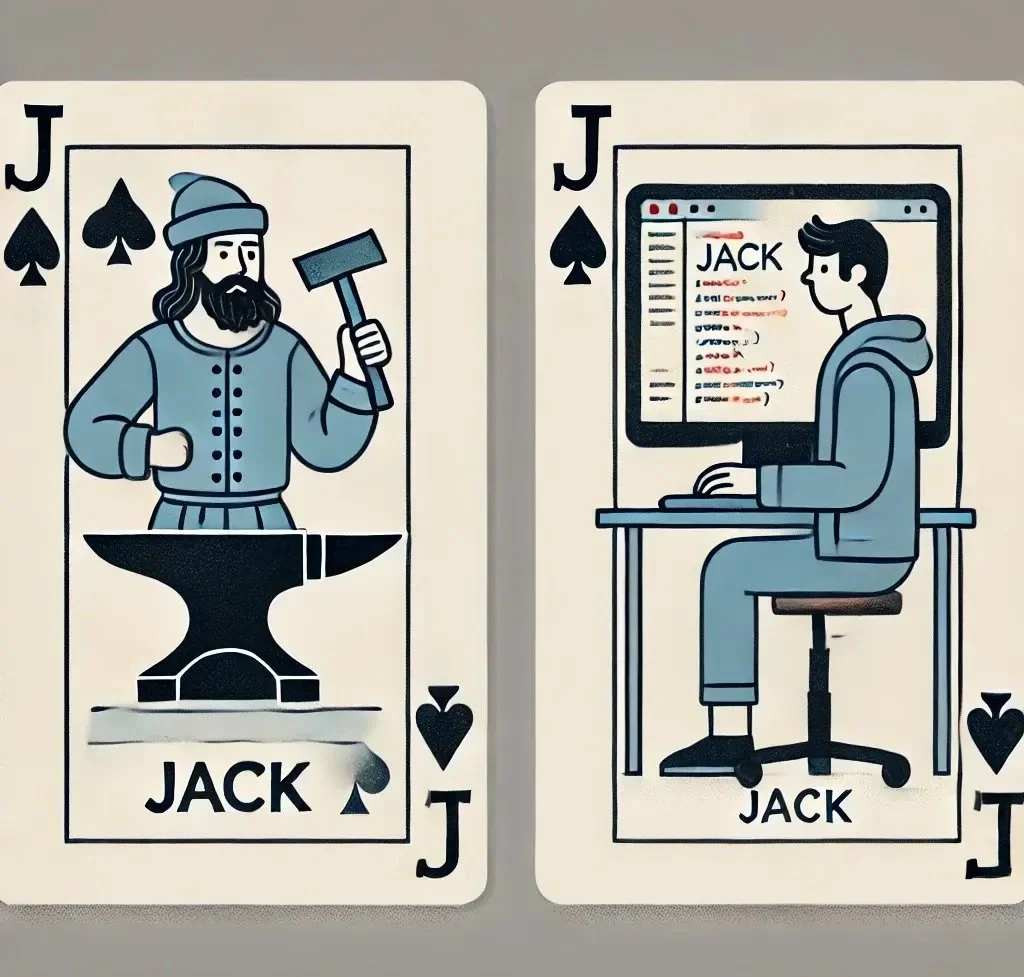
Do you use Microsoft Outlook for email? You probably have the popular Wingdings font installed. The cute smile that you include in your message confuses the pants off the recipient if they use a different email client because the smile appears as a single capitalized letter "J."

When corresponding in a professional manner via email, it is best to avoid sarcasm and emoticons. Avoid slang, too, because that can really mess things up for you.

I once ran into a problem with my colleagues. There was confusion over what was needed for an important project. I composed a detailed email to clarify everything, but I made one big mistake.

I meticulously wrote out each step needed for the project in a bulleted email. To be absolutely sure that the team would understand what was needed, I proofread my message multiple times before hitting the send button. My big mistake was how I signed off in the message.

Who the heck is Bob?

You see, I'm Canadian. My Mum is British. That wasn't a typo; I actually call her "Mum." In Canada and the UK, there is a popular expression that we use instead of saying, "And there you have it." The expression is one that completely messed up my perfect email. I ended my email with, "and Bob's your uncle."

I hit send, and I sat back in my chair with a deep feeling of satisfaction for helping everyone understand what was needed. We worked in an open-environment without walls; I could see some of my colleagues at their desks. Their heads were down focusing on their work. Their email notifications went off as my message arrived in their inboxes. Slowly, their heads began to rise with looks of bewilderment across their faces. Finally, one of them exclaimed, "Who the heck is Bob?"

It was tragically hilarious that I then had to explain what the sentence meant. Not only this, but I had to reply to other colleague’s confused emails to me who were not in the room. Yes, it made for a great laugh, but caused a big disruption in the time we could have been using to finish the pressing project.

Whether you're writing an email to follow up with a person you met at a networking event, replying to a customer, or emailing your boss, do yourself a favor and avoid sarcasm, slang, and emoticons. Nobody has the time for long-winded email messages these days, so keep them short, sweet, and nice.

And Bob's your uncle!

Do You Have These Social Intelligence Skills?
pratik-mehta-UcgKATDO6QI-unsplash.jpg

In order to effectively lead an organization or department, one must be fluent in social intelligence skills.

The key elements of social intelligence are verbal fluency and conversational skills; knowledge of social roles, rules, and scripts; effective listening skills; understanding what makes other people tick; social self-efficacy; and impression management skills. Social intelligence (SI) is one of the core areas my corporate training focuses on in the Nice Method. How versed are you in each of these areas?

Social Intelligence Skills

Verbal Fluency and Conversational Skills. Ronald E Riggio Ph.D. explains this well in his article in Psychology Today. “You can easily spot someone with lots of SI at a party or social gathering because he or she knows how to “work the room.” The highly socially intelligent person can carry on conversations with a wide variety of people, and is tactful and appropriate in what is said. Combined, these represent what are called “social expressiveness skills.”

Effective Listening Skills. I obsess about actively listening with intent. I love the reaction I get from audiences when I share the fact that an anagram for the word ‘silent’ is ‘listen’ (also ‘tinsel’, but I digress). We don’t learn from speaking, we learn from listening. Here’s a quick video from The Master Communicator’s Secret Weapon presentation for more on how to improve your listening skills.

We don’t learn from speaking, we learn from listening.

Understanding What Makes Other People Tick. As a speaker and improv performer, I have studied how to read an audience. Noting the facial expressions and body language of the crowd is important in adjusting my performance to leave them satisfied. The same goes for professional settings like sales calls, video meetings, candidate interviews, employee performance meetings, and investor calls. Not only is reading the people important but understanding why they are behaving the way they do is crucial.

Knowledge of Social Roles, Rules, and Scripts. To come off as socially sophisticated and wise, one must understand the difference in the people they interact with. In an office setting or virtual meeting, you come across many different types of people who demand different styles of interaction. Recognizing these differences and adapting your communication style is key to effective communication.

Impression Management Skills. You need to be aware of the impression you are leaving on the people you communicate with. This means mixing a healthy dose of authenticity with self-censorship. Being honest and sincere is paramount in everything we do, but being completely transparent can have serious ramifications in professional relationships.

Role-Playing and Social Self-Efficacy. Knowing how to play different social roles will make you feel comfortable no matter who you are communicating with. When you practice these skills you feel socially self-confident and more effective. This is why role-playing is an important part of the Nice Method, which leads to improved social self-efficacy.

Be Nice to People. Rivers -> Radio -> Podcast

“I got through! I got through!"

Few things were more exciting in the 1980s than calling your favourite radio station and getting through. I wish I could remember why I had called 1050 CHUM in Toronto, but there I was on hold about to speak live on the air.

The host of the morning show was radio broadcasting legend, Tom Rivers. Rivers was like Toronto’s own Johnny Fever from WKRP.

CHUM’s Creative Director, Larry MacInnis described Tom, “At heart, he was a mischievous twelve-year-old boy in the body of a six-foot-ten, four hundred-pound man-child – a heavyweight talent in every sense of the word.”

I suppose we connected well because I was around twelve-years-old at the time.

After saying something on air, Tom graciously invited me down to the station for a tour. I am willing to bet that 99% of Toronto kids were never given the same opportunity.

I begged my mum, who quickly gave in and scheduled our meeting. Together we travelled down to the popular Top-40 station in her denim blue, 1978 AMC Gremlin. The car even had a 1050 CHUM sticker affixed to the rear window like most cars in Toronto back then.

Tom Rivers and Me and 1050 CHUM radio in Toronto

I remember being mesmerized as I watched Tom in action behind the microphone and cart machines. His kindness and talent for broadcasting must have left an impression on me. In 1995, I graduated from Seneca College having studied radio and television broadcasting. Naturally, I majored in radio.

My love for radio led me to an internship on an internationally syndicated blues radio show called Blues North, hosted by the wonderful Big John Small. My career in radio teetered off after several attempts at getting a job at radio stations in Toronto. It was simply too competitive a market, and I didn’t have the professional drive or networking knowledge in me quite yet.

From Radio to Podcasting

My passion for broadcasting led me to begin podcasting in 2005. We nearly had the first parenting podcast, Two Boobs and a Baby. We were the second parenting podcast after Paige and Gretchen’s Mommycast. I have had several podcasts since then, with NBN Radio ADHD Wise Squirrels being my most recent podcasting endeavor. (updated 12/14/23)

I am thankful for how nice a guy Tom Rivers was. I am a firm believer that the kindness we share today can inspire others tomorrow. Just ask my daughter, who now proudly bears those call letters of yesteryear.

1050+Chum+T-Shirt

You can do this too.

From mentoring to giving a kid a chance, consider how your kindness can help inspire future generations. Blues artist Albert Collins was another legend who did this for me; that story led to me interning for a national blues radio show! Going above and beyond in the smallest of ways may seem simple, but these gestures are like waves that leave ripples in the water for decades.

Taking a Break
Screen Shot 2020-05-26 at 12.22.47 PM.png

My head has been scattered lately. We have had to temporarily move from our home into a tiny, two-bedroom space for four people and a dog. Finding a quiet corner to work from has been practically impossible.

This move was due to the recent storms that gave our home and property a beating. The tornadoes, just two months earlier, destroyed my kid’s school and several favorite family spots. 

And we’ve had this damned pandemic. My son’s school band trip to New Orleans was canceled. Our NYC Broadway adventure for our daughter was postponed. I can’t visit Toronto to see my ill father and self-quarantined mother. Plus a summer trip to Europe to visit my brother was also canceled. First world problems, I know. We have our health and I am truly thankful for this.

My business has also taken a beating since most of my work involves public speaking and delivering corporate workshops. I have managed to switch some of this to virtual and I’m thankful the feedback has been great. I am also working with a few new coaching clients. Still, things are not quite where I need them to be professionally.

Summer Break for Planning & Producing 

I have frequently been distracted by social media and stories in the media that are out of my control. Instead, I should be focused on producing the research, outreach, and content that you will find valuable. Quite frankly, I feel the added distractions have pushed me off course enough to take a break - a summer break.

And so for the months of June and July, I’m going to pause The Nice Maker. I’m going to spend my days planning and producing. For the first time since I started using social media, I’m going to take a long-needed break. 

I always love to hear from you. I’ll still be scheduling video meetings and telephone calls. You can reach me at dave@futureforth.com anytime. I’ll keep an eye out for DMs, PMs, and such, but email will be your best bet. It’s time to unplug.

I’m excited to regain my focus and refresh my head. I expect great things will come as a result, I’m looking forward to sharing them with you in August. 

Enjoy your June and July. Stay safe and be nice to one another. 

Cheers!

Dave Delaney
 

PS:

If you’re craving some of my content, why not pick a blog post you might have missed?

Random Acts of Kindness for the Office
Practice Kindness.jpeg

Random Acts of Kindness Week comes each February. For much of the world, February weather sucks. Just looking out of the window as I write this is a reminder. It’s been gray and raining endlessly in Nashville over the past few days. Perhaps this is why Random Acts of Kindness was created during this dreary month. Let’s brighten it up, shall we?

The following is a list of twenty-five ideas you can use at work to be nice to your colleagues and to yourself. I encourage you to print this list and pin it above your desk or stick it on the wall in your kitchen to share the ideas. Even though you are encouraged to deliver random acts of kindness during the official week, there is nothing stopping you from doing so during the fifty-one other weeks of the year.

Kindness releases feel-good hormones

As Maile Proctor writes, “kindness releases feel-good hormones. Have you ever noticed that when you do something nice for someone else, it makes you feel better too? This isn’t just something that happens randomly—it has to do with the pleasure centers in your brain.”

She continues, “Doing nice things for others boosts your serotonin, the neurotransmitter responsible for feelings of satisfaction and well-being. Like exercise, altruism also releases endorphins, a phenomenon known as a “helper’s high.”

25 Tips for Being Nice at Work

  1. Buy a coffee, grab creamers and sugar, and deliver them to the first person you see at work. This could be a custodian, receptionist, security person, colleague, stranger. 

  2. Hold the door open for someone. 

  3. Give someone a compliment for the good work they do. Or the cool shoes they are wearing. 

  4. Smile.

  5. Take a private bathroom break to practice a short meditation. I’m a fan of Sam Harris’s Waking Up app. 

  6. Send a positive text, Slack, or instant message to a colleague. 

  7. As companies grow it is common not to recognize everybody. Talk to a colleague you don’t know. Invite them with you for lunch.

  8. Hold the elevator door open for someone. Say hello to your fellow passenger.

  9. Tape two dollars to the vending machine. 

  10. Tidy the kitchen. Clean out the microwave. Empty the fridge. 

  11. Be a hero. Make a pot of coffee.

  12. Surprise your team by bringing donuts or baking something special.

  13. Write a LinkedIn recommendation. Connect your LinkedIn connections.

  14. Choose to forgive and accept people for who they are.

  15. Write a list of what you are thankful for.

  16. Leave a huge tip for a barista or a server.

  17. Pay the toll or bus fare for the person behind you. 

  18. Put your phone away when you are around other people. 

  19. Write a complimentary LinkedIn post about a colleague and tag them.

  20. Work without headphones. Raise your head from your computer and smile at each person who walks by. Consider your resting face.

  21. Compliment a colleague to your manager. Write them an email about how awesome the person is.

  22. Interject a kind comment when people are gossiping.

  23. Give a colleague a copy of a book that impacted you.

  24. Write a list of all the things you enjoy about your work.

  25. Listen intently as someone is speaking to you. Use the L.I.S.T.E.N. acronym (VIDEO).

Your Turn…

Download this as a PDF to print and share with your colleagues to brighten up the day.

Photo by Sandrachile on Unsplash.

Save up to $300,000* by adding this item to your to-do list
Compliment your team members

I advocate for being nice to everyone you encounter each day. Yes, it sometimes takes a bit of empathy to return a smile and keep your patience intact.

Leaders of organizations can measure the result of being nice. The best way to do this is to recognize each team member frequently enough to make them feel proud of the work they do. A compliment goes a long way.

I recommend leaders add this item to their daily to-do lists.

Today I recognized ____________________________________

A quick pat on the back and compliment will make a person’s day. Happier staff feel more positive and are less likely to find a job elsewhere. As I mentioned, do this to be nice first and foremost. Then consider the cost of replacing an unhappy employee.

The ROI of Nice

How much does it cost to replace an unhappy team member? 

Entry-level employees - 30-50% of their annual salary.

Mid-level employees - upwards of 150% of their annual salary.

High-level or highly specialized employees - 400% of their annual salary.

If you are a 150-person company with 11% annual turnover, and you spend $25,000 per-person on hiring, $10,000 each on turnover and development, and lose $50,000 of productivity opportunity cost on average when refilling a role, then your annual cost of turnover would be about $1.57 million. Reducing this by just 20%, for example, would immediately yield over $300,000 in value. And that says nothing of the emotional headache and cultural drain felt from losing great people*. - Source: https://blog.employerscouncil.org/2017/06/28/costs-of-turnover/

Do you want to improve how nice you are to yourself, your team, and your community? Recognize a team member each day of the week. I cover this and much more in The ROI of Nice presentation.

Photo by Lukas from Pexels.

Think. Do. Say.
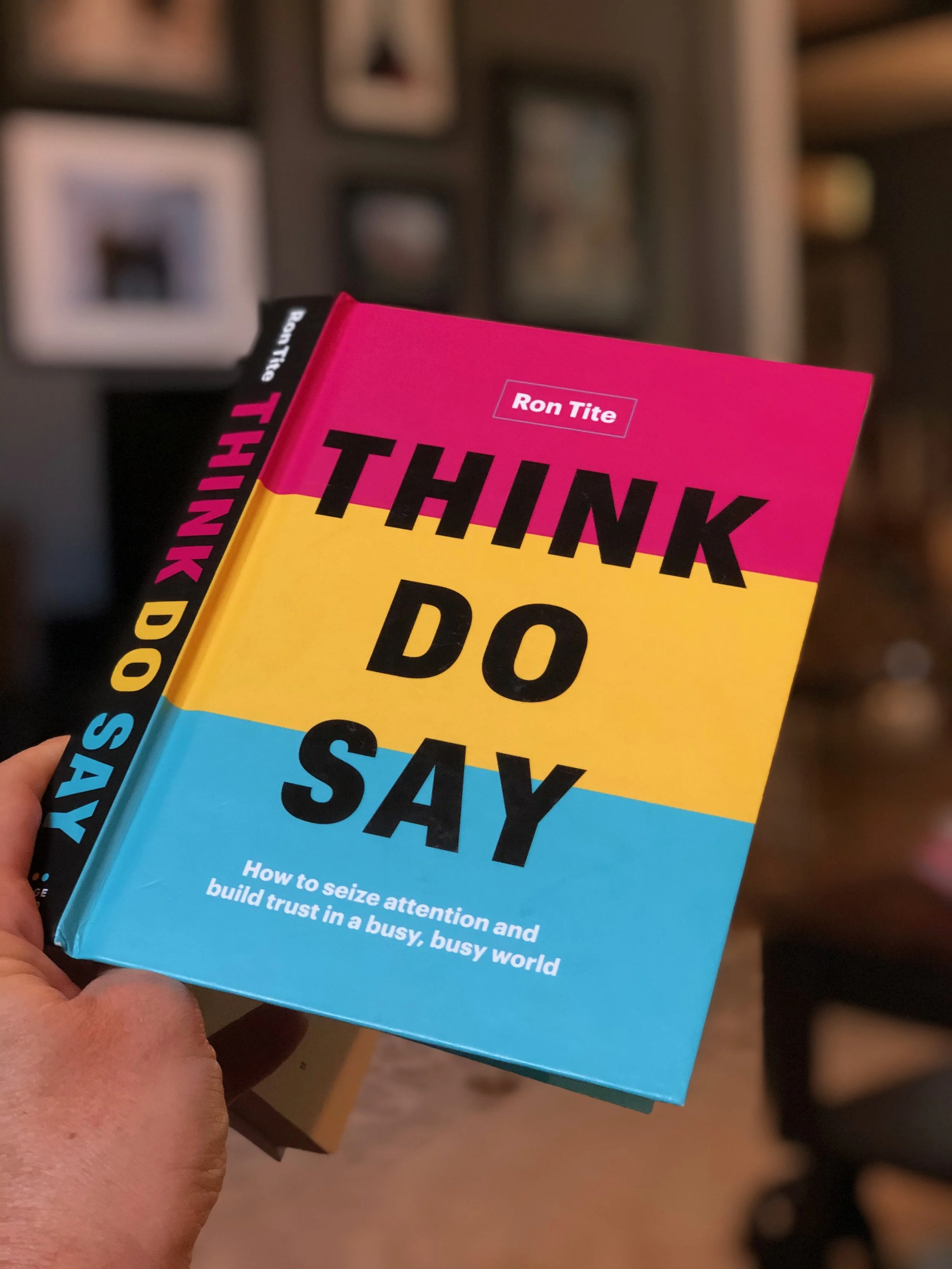
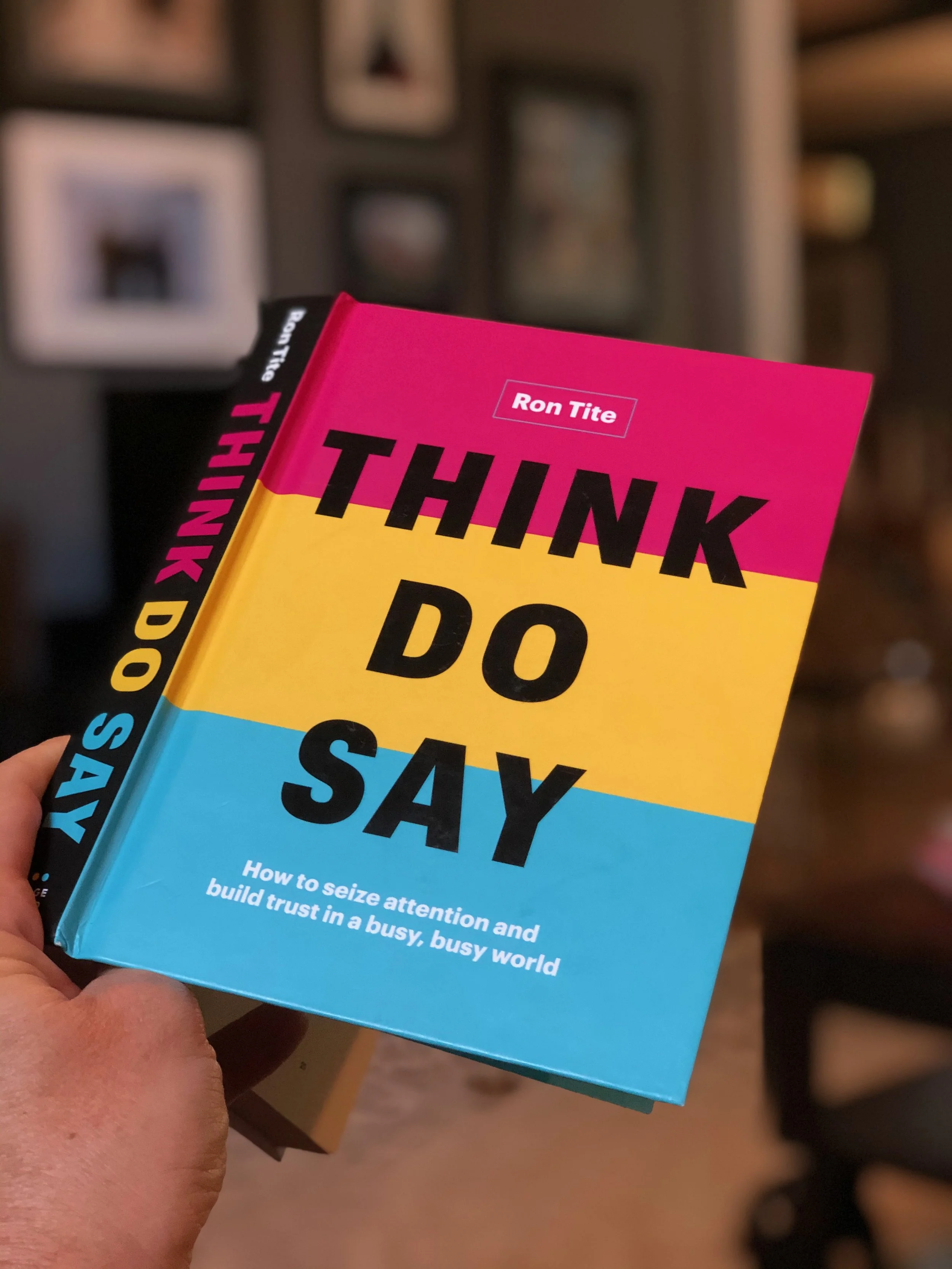
Think Do Say book by Ron Tite

I’m writing the next sentences in my best Julia Child voice... Combine a large pot of stellar speaking skills with several dollops of branding and marketing smarts. Mix a fresh bunch of humor, several cups of creativity, sprigs of kindness. Add these ingredients together, bake, and voilà - Ron Tite!

Ron is the president and CEO of Church + State, a creative agency in Toronto. He is also the author of the new book, Think. Do. Say. How to seize attention and build trust in a busy, busy world. I loved it!

I’ve been lucky enough to spend time with Ron over the last several years. We both belong to a speaker mastermind group called Speak & Spill. Ron has also graciously shared ideas and feedback with me. He’s a solid fellow, but let’s get back to that book.

The following are my takeaways from Think. Do. Say. I highly recommend you pick up a copy for yourself if you work with an agency or marketing firm. The book is full of case studies and examples of how we can improve everything we do by focusing on our beliefs, actions, and communication.

Key Takeaways from Think Do Say

Three pillars of great organizations know:

What they think

What they do

What they say

Your clients don’t know where to look and they don’t know who to trust.

Move from being product-focused to purpose-focused.

Believing isn’t enough. You have to act to reinforce your beliefs.

What you do immediately following an integrity gap will say more about your character than what you did before.

Believe in something more important than your bottom line. 

Answer the following questions

What’s your essential do?

Who do you do it for?

What do they want you to do?

Who do you do it with?

It’s easier to come up with a revolutionary idea to topple the establishment when you’re not a part of it.

Want people to look in your direction? Start solving their real problems before someone else does. 

The first step to innovation is improving the efficiency of what you already do. 

Honesty and transparency lead to trust. And trust leads to momentum. 

True authenticity is being comfortable with your imperfections. 

Something we’ve never seen before will get our attention.


I wanted to close this blog post with a Julia Child quote (there’s even one in the book). I found the perfect one that sums up Ron and his work, “Find something you're passionate about and keep tremendously interested in it.”

One last Julia Child quote because I couldn’t resist, “A party without cake is just a meeting.”

Now go order your copy of Think. Do. Say. You will be glad you did.

Public Speaking Tips You Haven't Heard Before
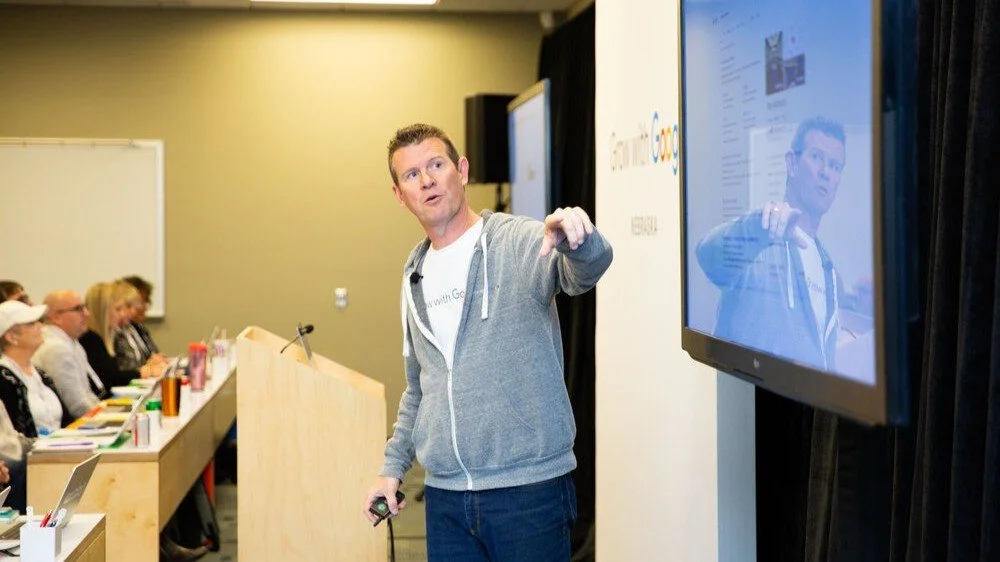
Photo from Flickr by the awesome Dave Barger. Dave Delaney speaking at BarCamp Nashville in 2008.

Photo from Flickr by the awesome Dave Barger. Dave Delaney speaking at BarCamp Nashville in 2008.

Do a Google search for “public speaking tips” and you will find 313,000,000 results. I hope I can share a few tips here that you may not be familiar with, and this also might help.

This post idea came from my recent search for a specific image on Flickr. That’s when I happened upon this photo by the late, great Dave Barger. I hadn’t seen the photo in years. I was surprised to note that the photo of me on stage is from 2008. Time flies!

I’ve been presenting to audiences for decades.

Dave’s photo made me reflect on the lessons I have learned. I’ve presented to audiences of thousands and tens, so I decided to share a few tips I hope you find useful.

Whether you are just getting started as a speaker or you’ve been doing this a long time, I hope these lessons help you.

Public Speaking Tips You Haven’t Heard Before

I always ask conference organizers the following questions: “What does success look like in the minds of your audience?” and “Who are the most popular speakers you have had? What made them stand out?” This information helps me craft my presentation with the audience in mind.

Give the audience a way to get in touch with you after your presentation. Include a slide with your URL/email/phone number/social. Bonus points for leaving them something of value like a digital download of your presentation or cheat sheet with takeaways from your talk. I use a text-to-download service for this*. Anyone who downloads the PDF also gets subscribed to my email newsletter. This is noted before they download the document, so they can choose not to if they prefer.

* If you use such a service and you’re speaking in a different country be sure this will still work.

Always talk to the AV team before your talk. They are there to support you (not work for you). Do a mic and presentation test to be sure everything looks and works the way you expect. Test it from the stage not the AV booth. Don’t rely on a solid Wi-Fi connection. Embed videos if you plan to include them.

Avoid using other peoples' equipment whenever possible. If you must use their equipment, test it ahead of time. For example, the range of the clicker may not be wide enough for you to work the entire stage or move around the floor. 

Get as much information as possible about the audience. The more you know, the better you can make your presentation. 

Research the city. I search the city in Google News to find topics I should mention and perhaps avoid. 

Eat locally. I try to plug a local restaurant or coffee shop I discovered before the event. Audiences appreciate you spending your money locally instead of hiding in your hotel room or going to a chain restaurant. 

Be respectful to the organizers, audience, and other speakers by staying on time. I just bought a small countdown timer to pack along with my gear. Other speakers I know use their watches, iPads, and apps. Keynote and Powerpoint also include a timer if you are presenting with you computer in view.


I hope these tips will serve you well. I’ve written more about how I can help you in this post.

Key takeaways from Same Side Selling
Pick up a copy of Same Side Selling.

Pick up a copy of Same Side Selling.

For the first few years of my adventures in entrepreneurship, I told friends and colleagues that I’m not good at sales. I would explain that my expertise is in marketing and communications, but not sales. Guess what, I was wrong. I had to be.

I had always thought of sales in the worst possible way. I envisioned the cheesy, pushy, used-car sales guy. Or the uppity, asshat in business class on his second cocktail before takeoff.

One day, it dawned on me that if I run my own business and I am not good at sales, I’m in big trouble. If I am my only employee, I had better be damned great at sales or my family will suffer. 

Spoiler alert: You don’t have to be a jerk to excel in sales.

I went out on my own as a consultant and professional trainer and speaker in 2011. I’m happy to report that I have increased my earnings each year. I have become more knowledgable in how best to approach sales, but I don’t consider myself an expert.

One true sales expert I personally know is Ian Altman, co-author (along with Jack Quarles) of Same Side Selling: How Integrity and Collaboration Drive Extraordinary Results for Sellers and Buyers. I absolutely loved the lessons and approach to sales taught in their excellent book. Spoiler alert: You don’t have to be a jerk to excel in sales.

In this short blog post, I’m going to share some key takeaways directly from Same Side Selling. There is much more within the book that you should not miss. Pick up a copy.

Same Side Selling Takeaways

There is an adversarial trap that causes buyers and sellers to work against each other instead of collaborating. Replace this trap with a cooperative, collaborative mindset. 

Selling is not a game because in a game one side wins and the other loses.

Selling is a puzzle. With a puzzle, you are solving. You create something and over time provide value. People sit on the same side to determine if the pieces fit. It’s better to solve puzzles than play games. 

Same side selling is about finding the fit. FIT. Finding Impact Together.

The objective is to be seen as a solver instead of a seller.

Answer the questions:

  • Whom do you help?

  • What do you do to help them?

  • Why do they need your help?

The most successful pitch will resonate with the prospect’s pain.

Find people who not only face problems you can solve, but also recognize those problems and believe they are worth solving.

Focus on the challenges that your client is facing, rather than on the things you are selling. 

Entice. Disarm. Discover.

  • Entice. Entice the customer by identifying something you have that might be of interest.

  • Disarm. Make it clear that you are not there to sell, but want merely to see if there is a fit. 

  • Discover. Trigger a discovery phase in which you learn about them (instead of opening a meeting talking about your stuff). 

The truth is always your ally in same side selling, even when it seems to decrease the likeliness of making a sale. 

Ask who else is affected by this project? How can we engage them in a way that works for you?

Don’t start with your qualifications. Start with the buyer’s problem

Gracefully guide the conversation away from details and toward impact.

It is not the client’s job to see the big picture.

If your price is too high don’t discount. Rather expand the scope to create more value.

What do you think?

How do you handle sales? Are you an expert or a novice? What sales lessons have you learned over the years?

What is the legacy you will leave?

How will you be remembered?

Photo by Randy Fath on Unsplash

Have you ever thought about what’s going to be in your obituary? Does this sound morbid? Stick with me for a minute. 

When I was a child, I was lucky to spend a few summers attending Kilcoo Camp. While I certainly suffered from feeling homesick, I also made new friends and learned many skills I still use today (I’m not too shabby in a canoe). 

The camp was run by John “Chief” and Peggy “Mrs. Chief” Latimer. I remember many warm moments speaking with Chief and his sons (who run the camp today) about missing home. He was always keen to help me overcome being homesick and made sure I was connecting with the other kids.  

In 2003, Chief sadly passed away. I saw in his obituary that a celebration of his life would be held at St. James Cathedral in Toronto. Everyone in Toronto is familiar with the sound of the bells ringing at St. James; it is one of the largest churches in the city with the biggest peal of bells in North America.

I mention the size of the church because when I arrived for the service, I was shocked (but not surprised) at the number of people present. There were so many people in attendance that they overflowed to the park around the church where the service was amplified through speakers. Chief touched thousands of people’s lives through his work at Kilcoo Camp. His legacy of being a kind, sweet, smart man lives on. 

Thinking about your legacy

I recently watched best-selling novelist Brad Meltzer’s TEDx talk “How To Write Your Own Obituary.” In it, he describes the different types of legacy that you will leave.

Try this exercise for yourself. Write down and separate all of the things you do for yourself versus what you do for other people. Those things for yourself will be the least remembered — your resume will fade. Your legacy is what you do for other people and the impact those actions have on their lives. This very much is in line with my approach to networking, nicely — always find ways to help others. 

Meltzer describes types of legacy.

Personal. You are your parent’s legacy. The way you interact and help your siblings will be remembered. How you raise your children and how you treat your spouse make up your family legacy.

Friends and colleagues. Helping your friends and treating them kindly will play a major role in your legacy. I believe we should find ways to support our friends beyond simple Facebook likes. Reach out over the phone or coffee.

Community. Who will remember your name? The people in your community will remember you for your participation and contributions. What have you done to help the people in your community?

The Business of Expertise

I loved The Business of Expertise How Entrepreneurial Experts Convert Insight to Impact + Wealth. Author, David Baker is brilliant. The content of this book will make you stop to question your brand's positioning as you strive for expertise. As Baker points out, "If you are positioned well, then they find very few substitutes."

The Business of Expertise contains plenty of wisdom and actionable steps you can take to becoming a true expert. He also includes important advice about self-confidence and self-improvement.

Here are some takeaways directly from the book. I highly recommend you pick up a copy for much more wisdom, context, and steps for you to achieve expertise in your space.

25 Takeaways from The Business of Expertise

  1. Personal relationships are not about giving in order to get.

  2. Good positioning makes you non-interachangable.

  3. If you are positioned well, then they find very few substitutes.

  4. Expertise blends knowledge with self-awareness of that knowledge.

  5. You need to earn your positioning.

  6. We gravitate to where we excel.

  7. Clients are drawn to confidence.

  8. If I find a much lower price than I would expect, I know that they don’t have much confidence.

  9. Confidence also comes when we say “no”.

  10. You should always have a list with getting to “know” topics on it.

  11. People don’t die “doing what they love” unless they love dying.

  12. Just doing what you love and making no money does nobody any favors.

  13. Just because you are good at something, even enjoy it, doesn’t mean that you are good at making money doing it.

  14. Make expertise the addiction.

  15. Money is the currency of respect, and the customer of an expert treats the advice more seriously if it comes with a hefty bill.

  16. Consultants who interview employees at client engagements look brilliant early in the process.

  17. Without strong positioning and the opportunity that stems from effectively applied lead generations, you are stuck with whatever opportunities fall in your lap instead of making your own success.

  18. Don’t add additional goals to your life until you decide which ones you’re going to drop. There is as much power in stopping something as there is in starting.

  19. Ask yourself “Okay. What is my role in the world?” - ask often.

  20. The only two kinds of experts who aren’t generally busy are new to the game or are incompetent.

  21. Choose between vertical and horizontal positioning.

  22. A great client may bring you new clients through career changes.

  23. Positioning is public and must be declared.

  24. Clients want to work with experts in demand.

  25. You’ll never get discovered and followed unless you’re an expert, but you’ll never be a good expert unless you’re grounded.

Pick up a copy of The Business of Expertise today to dive into the takeaways I shared above.

You Don't Get What You Don't Ask For
Don't be afraid to ask

Have you ever been afraid to ask for a raise, promotion, new client, or a favor?

You probably have. I’ve faced this fear throughout my career. I believe overcoming this fear is key to success.

I interviewed over fifty entrepreneurs on my former podcast. I’ve listened to the interviews many times to extract lessons for my own business and career. One of the reoccurring points I kept coming across was that we must overcome our unfounded fears.

We must not fear asking because we don’t get what we don’t ask for. 

This doesn't mean we should pester people or solicit them constantly. However, we need to muster up the courage to make the ask. Failure isn’t rejection, failure is not asking in the first place.

I recently went through a process of reviewing all of my 3,000-plus Facebook friends. Obviously, most aren’t close friends at all, some I don’t even know.

Evolutionary anthropologist, Robin Dunbar, concluded we can only manage up to 150 friendships. This breaks down as 50 people who are close friends and just 15 who are our closest friends. 

It's interesting to note that these friends can often drift in and out of different groups within this number. His study is famously known as “Dunbar Number”.

Last year, I composed a Facebook message and began asking each person who I considered a friend to help me promote my Communication Mastery workshops. And guess what, most of them happily did. Only one person declined. By asking my friends to help me spread the word, I had hoped my message would spread to new people who may become clients. Side note, this is also a good exercise to realize who your true friends are, they are the ones who are happy to help you.

I am thankful my friends came to the plate to help me spread the word. They likely wouldn’t have had I not asked. I can’t say with certainty that new clients came as a result. However, I did see a substantial increase in visits to the workshop page as my friends helped promote it across social media.

I wasn’t offended when one friend declined to help me. As I mentioned above, failure isn’t rejection, failure is not asking in the first place.

Instead of asking yourself what will happen if I ask? Ask yourself, what will happen if I don’t ask? 

There’s a Purple Cow on this Flight
There’s a Purple Cow on this flight.

Have you ever gazed out of a car window as you traveled along a long country road? Did you see cows along the way? Probably. Did you note anything special about our bovine friends? Probably not. Why not? Because cows are boring*. 

Now what if you drove along that road and suddenly saw a purple cow? Whoa! Now that’s worth talking about, right? 

Seth Godin is Marketing Yoda

Seth Godin is a powerhouse in the world of marketing, he is an entrepreneur, best-selling author, and speaker. Google “Seth” and he’s sure to be the first result. I heard him referred to as the “marketing Yoda” on a podcast recently, Godin quickly added that he’s better looking than Yoda. I concur. 

I’m writing this on a flight home to Nashville from a speaking engagement in Yuma, AZ. Yuma is a three-hour drive from the Phoenix Sky Harbor International Airport. I didn’t see any purple cows to and from Yuma, with the exception of my copy of Godin’s best-selling book, Purple Cow - Transform Your Business by Being Remarkable. I had read the book many years ago, but the information didn’t sink into my thick head at the time. I remember enjoying it, but it wasn’t as relevant at that juncture in my career.

My flights to and from Phoenix gave me plenty of time to re-read Godin’s inspirational book. This time, his words left me filled with ideas to implement for my business. The following are twenty-five takeaways from Purple Cow. There is obviously much more to the book, it is a must-read for business leaders from small organizations to large companies.

25 Takeaways from Purple Cow

  1. It’s cheaper to keep an old customer than it is to get a new one.

  2. The leader is the leader because he did something remarkable.

  3. It’s safer to be risky.

  4. (Make your service) easy to talk about and easy to demonstrate.

  5. The way you break through to the mainstream is to target a niche instead of a huge market. With a niche, you can segment off a chunk of the mainstream, and create an idea virus so focused that it overwhelms that small slice of the market that really and truly will respond to what you sell.

  6. Services that are worth talking about get talked about.

  7. Your ads (and products) should cater to the customers you’d choose if you could choose your customers. 

  8. Criticism comes to those who stand out.

  9. Being safe is risky.

  10. Boring always leads to failure.

  11. Make a list of ways you can catch up by being different.

  12. Measurement means admitting what’s broken so you can fix it.

  13. If you measure it, it will improve. 

  14. (You) have a lot to gain by changing the rules of the game.

  15. They’re not trying to interrupt strangers; they’re selling to the converted (Pearl Jam).

  16. Otaku is the desire to find out everything about something.

  17. Smart businesses target markets where there’s already otaku.

  18. Go for the edges. Sketch out where your edges are…and where your competition is.

  19. Discover the fringes that make your competitors’ products remarkable.

  20. Find your positioning statement.

  21. You can’t build a fast-growing company around vanilla.

  22. Are you obsessed or just making a living? 

  23. The number-one question about the Purple Cow is, “How do I know it’s remarkable.”

  24. Instead of selling what we wanted to sell, we sold what people wanted us to sell, and then figured out how to make money doing it.

  25. It’s not about being weird. It’s about being irresistible to a tiny group of easily reached sneezers** with otaku. Irresistible (for the right niche) is just remarkable.


Have you read Purple Cow? Did you act on what you learned? If so, what were the results? 

* I apologize to any normal cows reading this. 
** You’ll have to read Purple Cow to find out what a sneezer is (not as gross as you think).
 
Building a Story Brand
Donald Miller Building a Storybrand.jpeg

I’m finally getting around to sharing what I learned in Donald Miller’s Building a Story Brand: Clarify Your Message So Customers Will Listen. I’ve heard great things about this book from multiply friends since it’s publishing in 2017. I finally read the book late last year and it did not disappoint. It led me to rethink many of the aspects of my own brand. Who the hell is Dave Delaney? As Miller writes, “If you confuse, you lose.”

In order to understand and create your brand you must have a clear story. In a story, audiences must always know who the hero is, what the hero wants, who the hero has to defeat to get what they want.

Take my communication workshops for example. The Hero is the person who hires me for a workshop, usually the CEO, COO, or HR Director. The Hero wants to improve his or her workplace culture by improving communication. The Hero is trying to defeat a potential toxic work environment and employee churn because both are costly concerns.

Customers don’t typically care about your story; they care about their own. Customers buy solutions to internal problems. By talking about the problems our customers face, we deepen their interest in everything we offer.

When we fail to define something our customer want, we fail to open a “story gap” with a single focus. We must define a specific desire and become known for helping people achieve it. That’s certainly what I am working on.

The specific desire for my clients is to improve communication. The Master Communicator’s Secret Weapon is my keynote presentation designed to help audiences use my advice to help them achieve their desire.

Miller writes, “When we frame our products as a resolution to both external and internal problems we increase the perceived value.” For example, part of what I teach is how to improve listening and how to lead with acceptance. Doing this in the workplace improves employee morale. Doing this outside with prospects, clients, and even friends and family improves sales and life in general.

Miller points out that, “A brand that positions itself as the hero is destined to lose.” This isn’t about me. It’s about you and helping you achieve success with your team. My brand is the guide that will help you. I truly care about helping you and your people. Miller reminds us that to succeed we must care.

Talk about the end vision. For what I do, it’s leaving you with a team who are better connected, listening more effectively, open to change, thinking quickly on their feet, leading with acceptance, becoming empathetic, and ultimately reducing employee churn by improving your company culture and overall communication.

Donald Miller writes about the importance of clearly defining the steps your hero needs to make in order to do business with you. He explains, at least three steps and no more than six.

For me it’s scheduling an introductory call. Speaking with me, so I can learn more about your needs. Determining the time and date of the workshop. I facilitate the workshop and you see the results. Boom, four simple steps.

I highly recommend you pick up a copy of Donald Miller’s Building a Story Brand for your own business. I found the lessons within to be exceptionally helpful. I also recommend you subscribe to Miller’s podcast for more insights and interviews with branding thought-leaders.

Why Start a Podcast?

The question isn’t, “How should I start a podcast?” It’s ”Why do I want to start a podcast?”

Over the holidays, I spoke with a friend who was excited about launching a podcast in the new year. He had reached out because of my knowledge of the medium from over thirteen years of producing and listening to podcasts. I started my first podcast in 2005.

Rather than jumping into software, hardware, and marketing recommendations, I asked him why he wanted to start a podcast. He explained that he wanted to use it to promote his clients by interviewing them. I asked him what excited him about podcasting and he admitted, nothing much. He wanted to create a podcast because so many others were. It seemed like the right thing to do. 

Podcasting is popular these days, 26% of Americans listen to podcasts monthly. He thought it would be a great way to build his brand and promote his clients. I asked him if his customers listen to podcasts, he wasn’t sure. 

A podcast is a labor of love (or you have a team)

A podcast is much more work than many people realize. There are two ways to handle this. The first is to commit yourself to many hours of work. Here is a breakdown of what you will be spending your time on for an interview-type show.

  • Purchase necessary equipment like a good microphone, headset, and software. 

  • Develop the marketing plan for the show. Commit to a publishing frequency like one new episode every Monday. 

  • Create or outsource theme music.

  • Create or outsource album art. 

  • Submit the podcast to directories like Apple Podcasts, Stitcher, Soundcloud, Google Podcasts, and new editions like Audible, Pandora, and Spotify. 

  • Outreach to your potential guests. Plan for back-and-forth emails to schedule time for each interview. 

  • Guest research and show preparation like writing questions. 

  • Conduct the actual interviews. 

  • Edit interviews and produce each episode. 

  • Upload episode file to hosting service. 

  • Create a corresponding blog post with show notes for each episode. 

  • Promote each new episode and blog post across social media channels and to email newsletter.

  • Create social media channels and email newsletter if you don’t already have these.

  • Consider purchasing ads online to get more listeners.

  • Beg your listeners for iTunes reviews. 

It’s going to cost you time and money

The second option is to outsource the work. This can cost hundreds of dollars per episode. I asked my friend about the budget he was willing to allocate to his podcast. Either way, it would cost him time and money. 

My friend’s idea was to create a podcast to feature interviews with his clients. I asked how his guests would perform in the interviews? Would they be entertaining, inspiring, or helpful to his listeners? He doubted it. He confessed that some might actually sound terrible. 

How would he expect to gain listeners of his podcast if the content wasn’t enjoyable to the listener? In fact, it might actually do a disservice to his clients if they come across inarticulate or standoffish. Plus, if he only gains a few listeners, how will this serve his clients?

I could sense his nodding head over the phone. My honest feedback might have come across a little blunt, but I know I was saving him time and money - that’s what friends are for. 

How about this instead?

I proposed a different idea to reach the same results he strived for: feature his clients and build his brand. Interview his guests via email and feature those interviews on his blog. This would take little time because his clients would provide the bulk of the content by answering his questions. In addition, his clients would likely share their interview with their friends, fans, and followers. This would strengthen his brand and introduce his business to new prospects.  Win-win. 

Are you thinking about starting a podcast this year? Start by asking yourself why. Consider the work it will take and whether there is an easier way to achieve the same results. If you decide a podcast is the right decision, I wish you the best of luck with your show. Send me the link, I would love to check out your podcast.

I am passionate about podcasting, I’ve been doing it on and off since 2005. I am also passionate about helping my clients and friends make the right decisions. By all means, start a podcast, but begin by asking. Why?