Top ADHD Podcasts for Late-Diagnosed Adults (That Actually Help)

If you were diagnosed with ADHD as an adult (like me), you know it can feel like being handed a map in a language you don’t quite understand, after years of hiking the wrong trail.

That’s precisely why podcasts can be so powerful.

They offer real stories, expert advice, and brain-friendly tips you can absorb while walking the dog, washing dishes, or simply giving your overwhelmed brain a break.

As someone diagnosed with ADHD at 50, I host a show called ADHD Wise Squirrels, focused on helping late-diagnosed adults feel less alone—and more equipped. Below, I’ve rounded up my favorite podcasts that actually "get it."

These aren’t just for background noise. They’re packed with insight, validation, humor, and hope, and listed randomly because, like children, I could never pick a favorite!

🎧 Best ADHD Podcasts for Adults Diagnosed Later in Life

Top ADHD Podcasts for Late-Diagnosed Adults (That Actually Help).jpg

1. I Have ADHD Podcast – Kristen Carder
Practical, punchy, and relatable. Kristen, a certified ADHD coach, helps you navigate productivity, self-worth, emotional regulation, and more—with no shame and lots of realness.

2. Women & ADHD – Katy Weber
Katy interviews late-diagnosed women from all over the world. Her conversations are raw, powerful, and wildly validating. Even if you’re not a woman, you’ll relate to the themes of masking, burnout, and rediscovery.

3. ADHD Wise Squirrels – Dave Delaney
Yep—that’s me! Diagnosed at 50, I started this podcast to give fellow “Wise Squirrels” (aka late-diagnosed adults) a place to land. I interview ADHD experts, share honest stories, and offer tools to improve executive function, self-acceptance, and productivity—without toxic positivity and ADHD misinformation.
🎧 Listen on Apple Podcasts

4. ADHD Friendly Lifestyle – Moira Maybin
Moira is a teacher, coach, and late-diagnosed adult who brings her warmth and wisdom to every episode. She unpacks how to live more compassionately with ADHD—especially as a woman juggling multiple roles.

5. Hacking Your ADHD – William Curb
Short, actionable episodes designed for distracted minds. Will breaks down topics like overwhelm, focus, and productivity into digestible episodes that feel like a quick win.

6. The ADHD Adults Podcast – Dr. James Brown, Alex Conner & Neurodivergent Matt
British humor, science-backed info, and personal experiences collide in this ADHD podcast from the UK. It’s equal parts informative and laugh-out-loud funny.

7. ADHD Experts Podcast – ADDitude Magazine
Recordings of top experts answering real-world ADHD questions. You’ll hear names like Dr. Ned Hallowell and Dr. Russell Barkley, making it a great reference for evidence-based advice.

8. Taking Control: The ADHD Podcast – Nikki Kinzer & Pete Wright
Focused on systems, productivity, and time management, this long-running show is great if you want to learn how to do things differently with ADHD instead of just knowing about it.

9. ADHD reWired – Eric Tivers
Group coaching, deep dives, and honest conversations. Eric’s show is one of the longest-running ADHD podcasts out there—and for good reason.

10. ADHD Powerful Possibilities – Laurie Dupar
A newer show focused on embracing late-diagnosis as a jumping-off point for transformation. Great for building confidence and disrupting toxic productivity myths.

11. Translating ADHD – Asher Collins & Dusty Chipura
Two ADHD coaches help decode how ADHD brains actually work. Deeply validating and brain-based, it’s ideal if you want to better understand your executive function profile.

💡 Which ADHD Podcast Should You Start With?

There’s no one-size-fits-all brain. Some shows are more clinical, others more conversational. But they all share one goal: helping you better understand yourself.

Try a few. See what resonates. Follow the ones that make you feel more understood.

And if you’re craving a community of like-minded ADHD adults, check out ADHD Wise Squirrels. We’ve got articles, a free ADHD test, and other tools, expert interviews, and plenty of squirrelly wisdom for figuring this out together.

lifeDaveadhd, podcast
The Power of Proximity: Why the Future Is In-Person

I said something during an interview recently that's been echoing in my head around coffee chats and mindful reflections on my life. It's this: There's power in proximity. And the future belongs to those who embrace that power.

Let me explain.

Until cyborgs become indistinguishable from humans (and let's all hope that day never arrives), nothing will replace the impact of sitting across from someone, shaking their hand, or sharing a laugh in real-time. That's how we know someone is real. It's tangible. It's human.

For all the wonder that the internet brought us—and I was there in the early days, podcasting, blogging, and tweeting before algorithms took over—the digital world was once a liberating tool for finding our people, as Douglas Rushkoff calls "the others." It was a lifeline.

If you were, say, a gay person in a rural town facing isolation or discrimination, the internet could be your safe harbor. Forums, BBS boards, and social networks created authentic connections that could spill over offline and into real life, where you could find yourself by connecting with others.

The magic wasn't just in the message. It was in the meeting.

I used to organize tweetups when I traveled. I'd post on Twitter, gather strangers at a pub or café, and we'd become friends. It was magic. I wrote about it in New Business Networking—how relationships became real when sealed with a handshake, a hug, and a high five. The magic wasn't just in the message. It was in the meeting.

Back then, Twitter was more campfire than dumpster fire. There were no algorithms, just people talking and sharing. You could form friendships and build communities. And then you'd meet those people at conferences, unconferences, even casual breakfast or cocktail events. My events, like Geek Breakfast and Nashcocktail, didn't need to monetize everything. I had a day job, benefits, and security. I did it because bringing people together lit me up — and still does.

But slowly, the platforms changed. The algorithms came. The investors needed returns, and the companies needed funds to improve stability. I'd prefer seeing fail whales and kittens with screwdrivers again instead of the hot mess Twitter has become. Call me old school, but Twitter will never be X (with the exception of an ex-social network), just as T.O. will never be The Six when describing Toronto, and Lower Broad will never be Honkeytonk Highway in Nashville (seriously, I've heard people say this lately).

As the power of proximity started slipping through our fingers, social media companies fooled us into thinking things were still okay online—they are not. Even defining the word "friend" became challenging, given how Facebook redefined it.

Meanwhile, the loneliness epidemic grew. With more screens, fewer eyes met across rooms: more scrolling, less serendipity. The places we once gathered — pubs, cafés, even offices — began to fade. I had a conversation with Professor Robin Dunbar, the evolutionary psychologist famous for Dunbar's Number (how many people we can maintain genuine relationships with), and he noted that pubs across the UK and Ireland are closing at an alarming rate. That matters. Pubs aren't just about pints. They are about presence—meeting and conversing with people from different walks of life.

This young couple met and got to know one another in pubs. They turned out okay. :)

Strangely enough, McDonald's has stepped into this role. In rural areas, elderly folks without access to country clubs or community centers now meet at the almighty golden arches. They sit in the corners with coffee and tiny burgers—not for the food, but for the company (well, maybe the fries and shakes). And you know what? Learning this made me rethink such junk food chains. Who knew they could contribute to our health in such a positive way, because widespread loneliness in the US poses health risks as deadly as smoking up to 15 cigarettes a day. Real-life connection matters!

Smartphones are the new cigarettes.

Here's what I believe now: Smartphones are the new cigarettes. In twenty years, we'll look at pictures of ourselves — and especially our kids — buried in screens and wonder, What were we thinking? Just like parents used to smoke at the dinner table and in the car, we've handed them distraction machines and called it normal. But it's not.

This isn't a rant against technology. I love tech. I've been podcasting for twenty years. I've built a career on communication strategy. But I also believe that eye contact, presence, and physical closeness matter more than ever. In the early days of podcasting, meeting listeners in person was surreal — they'd ask about my kid's diaper rash, and I'd be momentarily thrown until I remembered: Oh, right. You actually know me and listen to our parenting podcast. That's the kind of bond podcasts used to build. We lose this when people start podcasts to get-rich-quick (they never do). These days, I'm proud of how Wise Squirrels listeners are coming together, and we are beginning to build a real community (more on that soon if you're following the show).

Algorithms prioritize outrage.

And social media today? It's not the same. The magic is rare. Algorithms prioritize outrage. Bots and deepfakes blur the line between real people and real good. I wouldn't start a relationship on social networks today — not because I'm antisocial, but because I don't know if the person messaging me is even a human when AI can fool even the savviest, and this is only going to get worse with no legislation and oversight.

This all might sound nostalgic — and maybe it is — but I don't think it's naïve. I think it's urgent.

We want to connect. We need to gather. And if we're not intentional about creating spaces for proximity—meetups, community events, retreats, shared workspaces, neighborhood pubs without TVs — we're going to forget how. The power is in proximity.

So what's next?

❤️ I want to be part of that solution.

I want to connect with organizations that educate parents, educators, and young people about the dangers of addictive technology, misinformation, disinformation, and artificial intelligence.

I believe we can do better. And I want to be part of that solution.

Over the years, I've discovered that my real strengths — my superpowers — are connection, communication, and authenticity. I have a knack for helping people feel seen, heard, and understood, especially those who often feel overlooked. I think fast, feel deeply, and use humor, empathy, and my communication skills to open up space for honest, human conversation. Whether at an event, on stage, in a coaching session, or just sharing a coffee or pint (non-alcoholic, please), I help people find clarity, confidence, community, and a stronger sense of themselves. I have also been known to become hyper-focused on causes I care deeply about and to become an outspoken advocate.

Where you come in...

Tell me, who should I know? What organizations, companies, or communities are leading the charge to reconnect us, in person and with purpose?

I appreciate you, and I look forward to hearing from you with your suggestions and connections. Thanks for reading until the end, I guess our attention spans aren't entirely shot - yet. 😉

lifeDave
It Hit Me Like a Ton of Clicks

I was recently repulsed by a trailer for a movie called Am I Racist? that pokes fun at DEI and related topics. I consider myself liberal and left-of-center with friends from every political persuasion, but the film trailer made the movie seem flat-out mean, making fun of people who are trying to do right or at least think they are. Then I noticed the film is from The Daily Wire and even includes locations in Nashville, which is unfortunate because once you get past the redneck cliches, drunken tourists, and mobile hot tubs, Nashville is a very diverse, warm, welcoming, and accepting city that is, unfortunately, attracting the wrong types of people like idiotic Nazis and the like, but I digress…

Later last night, I fell into a seemingly endless swiping session on YouTube Shorts, or maybe it was Instagram Reels; it doesn’t matter. I came across a funny clip of interviews with MAGA types saying ridiculous things. I noted the clips were from The Daily Show, a show I used to watch frequently, and suddenly, it hit me like a ton of clicks.

We are all just being played against one another so that other people can get rich from our rage, pride, fear, and ignorance. Such content increases views, shares, followers, comments, and TOS (time on site). The sites and profiles with the most of these make the most money from advertisers. It makes sense when you think about it, but the business model is unfortunate. This greed and competitiveness are why podcast hosts I used to enjoy end up platforming bad people with bad ideas, and I unsubscribe.

Yes, there are elements of ridiculousness in far left-leaning ideologies, just as there are on the right. And yes, I love humor and parody like the next guy. However, programs and movies such as these are designed for specific audiences, and when they include highly edited TikTok-worthy clips, we miss the context and the whole story from such man-in-the-street-type interviews. And when it’s all said and done, this is entertainment from companies who care more about the dollars they earn than the division they fuel.

It’s good to laugh at ourselves, but it’s unfair to use these pawns as scapegoats for our own pompous bullying entertainment. Of course, it’s great to make fun of those who purportrade such bad ideas, misinformation, disinformation, and hatred. I’m all for that to a point, but this has become a significant problem as social networks and news networks’ algorithms are tweaked to get our attention as we sit in siloed echo chambers online.

Turning the other cheek.

If you want to talk about religion, you’ll have to buy me a (non-alcoholic) beer. Still, I’ll share that I was raised Catholic and have read the idea of "turning the other cheek” in most other popular religious texts, like Hinduism, Buddhism, Judaism, Islam, Jainism, and Taoism. Each of these traditions promotes non-retaliation, forgiveness, and responding to harm with compassion or restraint. For the purpose of my idea and upbringing, let’s stick with turning the other cheek for a moment.

The idea is simple: it’s time for everyone to turn to the other channel and note its similarities. Spend a day or so watching and listening to news networks, YouTubers, and podcasters from the other side of your political preference. You’ll see familiar formats like attractive talking heads, fancy newsrooms with interactive touchscreens, stale sitcoms, and comedy shows you are used to in your preferred content. They may even have the same advertisers.

Turn your addictive device off and turn to your neighbors.

Upon accepting that we are all being played, turn your addictive device off and turn to your neighbors, who, as it turns out, are much more similar to you than you think. Abraham Maslow figured this out over eighty years ago.

Correct me if I’m wrong, but this is still the United States. Or did I misread that, as I received my US citizenship around this time last year? And not so fast, Canada, the UK, Ireland, and everywhere else. This is happening where you are, too.

Yes, you will find the media that suits your personality and beliefs; these technologies are designed to ensure this. Enjoy the talking points, heated debates, and hilarious monologues. Just be sure to hit pause and question what and why you’re seeing or hearing what you’re seeing and hearing.

Just as I’ve explained to my kids ad nauseam, when you see something online or in the news that makes you feel angry, sad, fearful, or frustrated, pause for a moment, take a deep breath, and question the source of that item and consider what’s in it for them. It’s usually money, power, or a combination of both. It’s okay to be entertained and laugh at what you view, but remain mindful and diligent in seeing through this facade, remembering that most of this is just entertainment and it’s a business that, sadly, too often, is dividing us rather than uniting us.


Keep reading about social media and addictive tech.

This article first appeared on my Substack. Don’t miss future posts and the extras you’re likely missing.

life, technologyDavemisinformation
Create a Blueprint for Personal and Professional Achievement

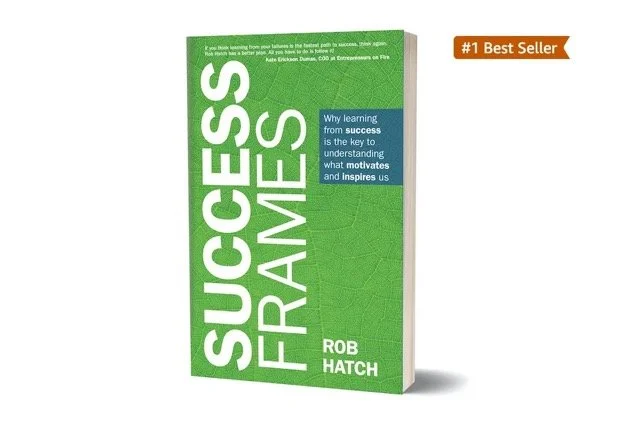
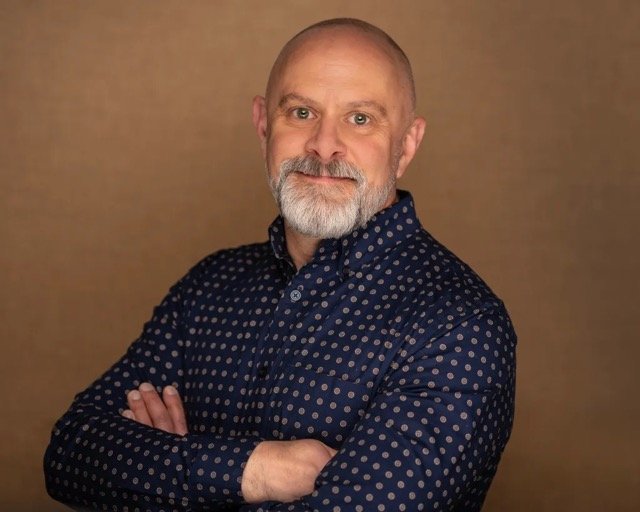
Listeners to my podcast, ADHD Wise Squirrels, will already be familiar with the executive coach and author, Rob Hatch.

I loved his latest book, Success Frames: Why learning from success is the key to understanding what motivates and inspires us.

In "Success Frames," Hatch delves into the intricacies of building a framework for success by learning from both achievements and failures. The book highlights the importance of reflecting on one's experiences, emphasizing that true learning stems from analyzing both triumphs and mistakes.

Learning from Experience

Hatch underscores the value of reflection in the learning process, citing John Dewey's assertion that "adults don’t learn from doing. They learn by reflecting on what they have done." This reflection is crucial in understanding why things go right and how to replicate those successes. Hatch shares that while failures can illuminate gaps in knowledge or execution, they must be balanced with an understanding of what successful efforts look like.

Defining Success

Success is a subjective term, and Hatch emphasizes the importance of personalizing its definition. His research identified education, relationships, and character as the top three components of their success. Hatch encourages readers to define what success means to them, incorporating elements like financial freedom and personal growth into their definitions.

Building a Success Framework

A significant part of Hatch's approach involves creating frameworks based on successful experiences. These frameworks, which he calls "Success Frames," help individuals and organizations replicate positive outcomes. The beauty of these frameworks lies in their flexibility—they allow for customization based on the specific needs and goals of the people using them.

Hatch introduces various strategies to build these frameworks:

  • ActionStacks: These are step-by-step checklists that guide the completion of recurring tasks. By pre-defining the steps, ActionStacks help automate processes and reduce decision fatigue.

  • OODA Loop: This decision-making model involves observing, orienting, deciding, and acting. It’s a cyclical process that encourages continuous improvement and adaptation.

Leveraging Strengths

Hatch advocates for a strengths-based approach, echoing findings from Gallup that focusing on strengths significantly boosts engagement and performance. By leveraging what people do well, individuals and teams can achieve higher levels of success and satisfaction.

Practical Application

Throughout "Success Frames," Hatch provides practical advice on implementing these principles. He discusses the importance of planning ahead, reducing reliance on willpower, and creating environments conducive to success. For instance, Hatch recommends scheduling specific "success blocks" of time dedicated to critical projects, free from interruptions.

Learning from Others

Hatch also highlights the value of learning from others' successes. By identifying and connecting with individuals who have achieved what one aspires to, people can gain valuable insights and guidance. This network of successful individuals can provide support, advice, and inspiration.

Emotional and Mental Well-being

Understanding and managing emotions is another critical aspect of Hatch's framework. He points out that focusing on what’s going well can help counterbalance the natural tendency to dwell on problems. This positive focus can enhance resilience and motivation, making it easier to overcome challenges. Hatch shares his own experiences with his late diagnosis of ADHD and how considering his coping mechanisms can be impactful.

You can listen to my full interview with Hatch by clicking the play button below or visiting Wise Squirrels.

Rob Hatch's "Success Frames" offers a comprehensive guide to achieving personal and professional success. By reflecting on experiences, defining success on one's own terms, building adaptable frameworks, leveraging strengths, and learning from others, readers can create robust paths to their goals. The book serves as both a practical manual and an inspirational resource, encouraging individuals to take control of their success journeys and that’s exactly what I plan to do after reading it!

The Five-P Pickle

In the realm of business interactions, there exists what I call the Five P's that define whom I am meeting with Peer, Pal, Partner (hi, Laura), Professor, or Prospect. I was going to call this conundrum a problem or a plight (I'm a sucker for alliteration), but calling it a pickle seems more fitting. Let's define each "P" to provide clarity as to what I'm going on about. 

  1. Peer: A professional acquaintance within your industry. 

  2. Pal: A close friend whom you trust. 

  3. Partner: Someone you collaborate with on projects or ventures. 

  4. Professor: A mentor or advisor who provides guidance and expertise. 

  5. Prospect: A potential client or business opportunity.

As someone who values human connections and aims to please, I would be entangled in this pickle during meetings. My initial aim is to forge new relationships, ideally transitioning them into pals. However, this approach presents challenges when business slows down, and I, as a sole proprietor or solopreneur, must take charge of sales. Yes, each person you meet with could fall into multiple categories, but focusing on one will help guide your meeting and the outcome. 

This year has been particularly slow for my business, prompting me to confront the Five-P Pickle head-on. The crux of the issue lies in balancing my desire to assist others with my need for support. I genuinely want to help when meeting someone but also require assistance. This creates a quandary: how do we ask for help without jeopardizing our relationships?

As a pal, you might provide valuable advice or emotional support, easing my worries about the uncertain future. As a peer, you could share your experiences and insights, offering guidance on overcoming challenges. As a professor, you might provide mentorship, accountability, and introductions based on your expertise and connections. And as a prospect, you could hire me for a speaking engagement, workshop, or coaching.

However, navigating these dynamics can be a pickle. How do you initiate conversations without coming across as opportunistic or desperate? 

The key lies in effective communication and a balanced approach before, during, and after each meeting:

Try this for yourself if you suffer from the Five-P Pickle.

  1. Define Your Objectives: Clarify your intentions before the meeting. Are you seeking advice, mentorship, introductions, collaboration, or business opportunities?

  2. Set Expectations: Express genuine interest in the other person and transparently communicate your business situation.

  3. Be Specific: Clearly articulate your needs and how the other person can assist you.

  4. Offer Reciprocity: Demonstrate your willingness to reciprocate assistance.

  5. Respect Boundaries: Understand that not everyone can fulfill your immediate needs, and respect their boundaries.

  6. Follow-up: After the meeting, express gratitude and summarize any agreements or action points. Consider the value you can bring to the other person; networking is a two-way street.

  7. Diversify Your Network: Maintain a diverse network of contacts to tap into various resources and support systems.

  8. Adapt and Learn: Continuously refine your approach based on feedback and experiences.

By approaching meetings with clarity, respect, and a willingness to give and receive, you can effectively navigate the Five-P Pickle and cultivate meaningful connections in both slow and busy business periods. Join the chat below, and let’s talk about this.

Dave
Taking a Break

To celebrate Mental Health Awareness Month, I'm taking time off social media and the news to focus on myself and how serving you can bring the most value to the world. I've been especially distracted by the news and curated feeds of our edited lives across social networks lately, which has triggered feelings of imposter syndrome, jealousy, and anxiety. Stepping away is the best foot forward.

I wrote this in my journal, "You will never escape yourself and your thoughts, but you can change your thoughts, which will change yourself."

The most beneficial way I can spend my time is on my health, family, and friends, as well as by serving you at Futureforth and with my Nice Maker newsletter, special events, and Wise Squirrels podcast. Visit daveislive.com for those details. 

Subscribe to the Nice Maker, and I'll share more information soon. 

Be kind to yourself and others.   

Dave
The Nice Maker Evolution

ADHD is pretty interesting; an idea pops into my head that gets me excited, and I spend the day working on that project. Hyperfocus FTW!

However, I don’t always plan well or think strategically. Even strategically, it sounds like scheming in some greedy capitalist way. Rest assured, it’s not in this case, but I will happily earn as much money as possible. It’s kind of important with college tuition (times two) and retirement and such.

As you read in my previous post, I have rebooted the Nice Maker to focus on hosting special events where we can meet up in person once again. However, the Nice Maker has always been much more.

And so, without dwelling on the topic here. I invite you to sign up below to get the full picture of where I intend to take the Nice Maker, and I invite you to join in because it will be awesome.

lifeDavenicemaker
Let's Get Together

It's lovely hearing from you both online and in person. I had a few recent encounters with folks I didn't realize were subscribers who asked about the return of the Nice Maker newsletter. I've been mulling over this thought for a while, and it's led me in a new/old direction. My decision will be essential for Nashville-area readers, but don't let that scare you off because I have plans for you, too. 

It's no secret how much I love connecting with people; I wrote a book about the topic. New Business Networking came because I spoke to a stranger at Jason's conference, and she became my publisher!

When I reflect on the sixteen years I've lived in Nashville, I think fondly of the memories of the people I've met from the events I've either organized or helped organize.

I co-founded BarCamp Nashville and PodCamp Nashville with Marcus Whitney, whom I worked with at Emma - my first job in Nashville. BarCamp planning led to meeting Mark Rowan, whom I worked for at Griffin, my second job in Nashville. Stasia Kudrez spoke at BarCamp, and that connection led to five years of speaking for Google. I founded Geek Breakfast to unite people between the events. I created Nashcocktail to connect the late risers who couldn't make breakfast. These two monthly networking events led to countless relationships with many wonderful people and rewarding opportunities for participants. 

I love you people! 

Nice people from Nashcocktail.

Nice people from Nashcocktail.

The truth is that 2023 has been a hell of a year for me professionally. I'm hearing similar feedback from many friends. Post-pandemic loneliness has been taking its toll on both our mental and physical health. Greedy algorithms and dodgy bots have hijacked our favorite social networking sites. Many of us work alone from our homes, talking more with ChatGPT than our friends, even when our loving families surround us.

The thing I crave most is human-to-human connection. The handshakes, high-fives, and hugs bring us together, and virtual reality hasn't replaced this and (hopefully) never will. I have a pretty decent track record of being this instigator, a misfit who loves getting nice people together. 

This is where you come in.

I've decided to start hosting events again. Most of these will be free, with some exceptions. One thing I've spun my wheels on is deciding whether I should start another breakfast thing, unconference, cocktail hour, a hiking group, a movie, or a comedy outing... and then I thought, screw it, why don't I do all of the above? Wouldn't this be a nice idea? 

And like the good old days of tweetups and meetups, why don't I organize similar events when traveling? Great things can happen at such get-togethers; just ask Merlene and Randy. 

And with this, I bring you the new and improved Nice Maker Substack newsletter. My goal is to communicate with you about upcoming events I'm hosting or attending. Sometimes, I will give you weeks' notice of an event; other times, I will invite you to join us for a hike in a few hours or a coffee that afternoon.

Of course, you don't have to commit to all the events I invite you to, but it is always nice to have you come along. I want to unite people again, and I hope you will join me.

NEXT STEPS…

Nice Makers, you are just three steps away from connection, collaboration, opportunities, friendships, and more... 

  1. Subscribe to the newsletter and watch for each email.  

  2. RSVP for an event. 

  3. Show up for the event. Don't cancel at the last minute. 


I wish you a happy, healthy, and wealthy 2024! I hope to see you around.

Think Again, Especially Before Thanksgiving

Thanksgiving is coming up soon. It’s a beautiful time of the year to be grateful for all we have, including dinner with our extended family members with opposing political and religious views. That’s why I’m finally writing this book review and highly recommending you read it before you gather and all hell breaks loose around the turkey.

In his compelling book Think Again: The Power of Knowing What You Don't Know organizational psychologist Adam Grant explores the intricacies of cognitive biases, the importance of intellectual humility, and the art of rethinking. The journey through the pages of this thought-provoking work challenges readers to reconsider their preconceived notions and embrace a mindset of continuous learning; it’s a good way for all humans to behave.

The First-Instinct Fallacy

Grant introduces the concept of the first-instinct fallacy, highlighting our natural resistance to rethinking answers and the psychological phenomenon known as "seizing and freezing." We're encouraged to spend as much time rethinking as we do thinking, emphasizing the value of flexibility in our beliefs.

Cognitive Biases: Confirmation and Desirability

Grant addresses confirmation bias, our tendency to see what we expect, and desirability bias, where we see what we want. The brighter we are, the harder it is to recognize our own limitations, making it crucial to develop intellectual humility and acknowledge what we don't know.

The Curse of Knowledge

The curse of knowledge closes our minds to what we don't know. Recognizing cognitive blind spots becomes imperative, and Grant warns against the Dunning Kruger effect, where overconfidence prevents us from questioning our knowledge.

Evolving Beliefs and Learning

Grant argues that the purpose of learning is to evolve our beliefs, not merely affirm them. He stresses the importance of humility in the pursuit of knowledge and advises against the trap of the beginner's bubble, where overconfidence stifles curiosity.

Avoiding Belief Identity

Think Again suggests refusing to let beliefs become part of one's identity. By detaching from past selves, individuals may experience less depression and find wisdom in avoiding internalizing every thought and feeling.

Effective Communication and Leadership

Grant explores the role of effective communication and leadership, emphasizing the importance of engaging critics and remaining open to change. The book encourages reasonable dialogue, asking questions such as, "What evidence would make you change your mind?" to foster understanding.

The Art of Listening

Grant champions the art of listening as a means to open minds. Great listeners focus on making their audience feel smart and acknowledge complexity. Rather than bombarding others with facts, the book suggests asking about their sources, fostering a more credible and respectful discourse.

Think Again serves as a powerful reminder that the quest for knowledge is never finished. By embracing intellectual humility, acknowledging cognitive biases, and remaining open to rethinking, individuals can navigate the complex landscape of beliefs and ideas. Grant's insights offer a roadmap for personal growth, effective communication, and leadership grounded in the pursuit of truth. This is why it’s one of my favorite books; I expect you will love it, too.

How to Know, Respect, and Connect Yourself

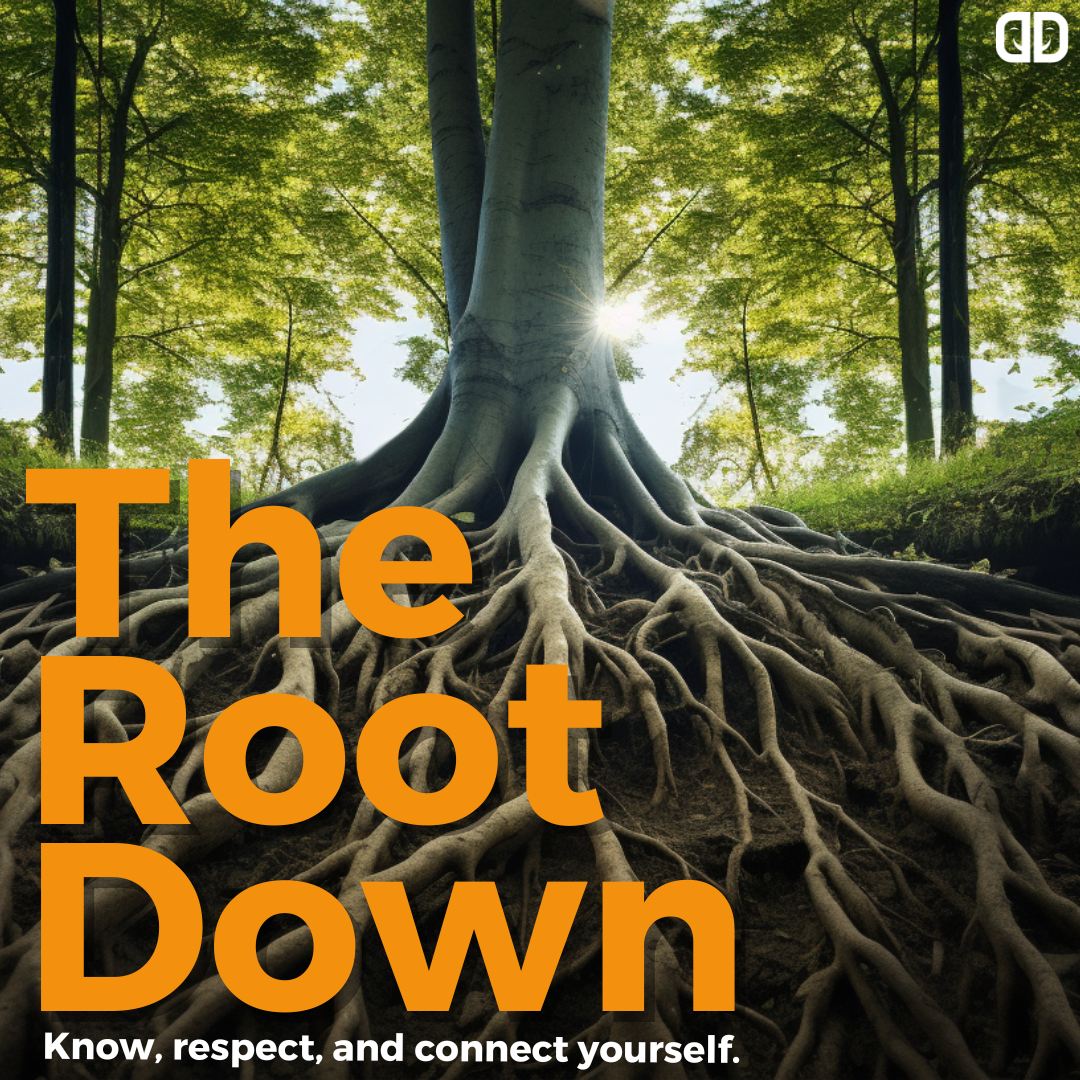
In a world that often prioritizes speed, productivity, and conformity, it's easy to feel disconnected from our true selves. We often rush through life, barely pausing to reflect on who we are, what we value, and what brings us joy. This reality impacts everyone, regardless of their operating system. The Root Down process will help us better understand ourselves, respect our unique qualities, and forge deeper connections with others.

Understanding the Root Down Process

The Root Down process is a concept inspired by the experiences of individuals with ADHD, who often struggle to fit into a neurotypical world. My method encourages self-discovery, self-respect, and improved connections with others.

Here’s how it works.

Know Yourself - Understanding oneself is the foundation of personal growth and well-being. Knowing your strengths, weaknesses, interests, and values clarifies decision-making and helps you navigate life more effectively. For individuals with ADHD, this self-awareness is often heightened due to the daily challenges we face. However, anyone can benefit from taking time to explore their inner landscape.

When you know yourself, you can make choices that align with your true nature. This reduces inner conflict, boosts self-confidence, and increases overall life satisfaction.

Respect Yourself - Self-respect is the cornerstone of mental and emotional health. It means accepting yourself as you are, flaws and all. The ADHD community often faces stigmatization and misunderstanding, making self-acceptance challenging. Nonetheless, it's a vital step in the Root Down process.

Respecting yourself fosters self-esteem, resilience, and a sense of empowerment. It allows you to set healthy boundaries, say no when necessary, and prioritize your well-being.

Connecting Yourself - Humans are inherently social beings. Building meaningful connections with others is essential for emotional health and personal growth. However, these connections must be based on authenticity, not masks. We must seek out like-minded individuals who understand our unique challenges.

Authentic connections provide emotional support, reduce feelings of isolation, and enrich your life with diverse perspectives and experiences.

The Root Down will transform your workplace team or conference audience. Learn more and say hello here.

Me and ADHD: I'm at the Start of a Journey I've Been on All My Life

I have attention-deficit/hyperactivity disorder (ADHD); it's official. If you know me well, you'll smile knowingly as you sit back and think, oh, okay, that makes so much sense! 

I recently read, “People living with ADHD may have a variety of skills and abilities beyond those of their neurotypical counterparts. These may include hyperfocus, resilience, creativity, conversational skills, spontaneity, and abundant energy.” Does this sound like me? I’m a wise squirrel!

Heather had already assumed I had ADHD and repeatedly mentioned it to me over the years. She's a school teacher who has worked with hundreds (maybe thousands) of children of all types and knows the signs. Sidenote: Always listen to your spouse. ;)

Reflecting on my ADHD symptoms made me quite certain, and my doctor recently confirmed it. 

Do any of these ADHD symptoms sound familiar? 

  • Distractible

  • Impulsive

  • Hyperactive

  • Restless

  • Disorganized

  • Inattentive

  • Impatient

  • Fidgety

  • Forgetful

  • Careless

Reading my old report cards.

My mum kept my old report cards from elementary to high school. They have sat at the bottom of a cardboard box in a closet for over a decade. After my recent diagnosis, I retrieved them, and Heather and I laughed as we read the teachers' feedback because it all makes sense now. 

  • Distractible - David is very creative but needs to focus on his lessons. He is often distracted by seemingly silly things. 

  • Impulsive - David is a natural leader, but he makes poor choices. He could set a better example to others.

  • Hyperactive - David needs to sit still in class and stop trying to make everyone laugh all of the time.

  • Restless - David seems bored and often daydreams. His "funny" outbursts are very distracting to others.

  • Disorganized - David needs to come to school better prepared and with his homework complete.

  • Inattentive - David needs to focus on his teachers and their curriculum.

  • Impatient - David seems to only focus on the topics he is interested in and often grows frustrated. 

  • Fidgety - David should work on keeping his arms and legs still to avoid distracting his classmates.

  • Forgetful - David needs to be reminded to do his homework constantly. He often forgets important details. 

  • Careless - David shows great promise but doesn't seem to care about his grades or even showing up to class.

Finding the others.

I've unknowingly worked on each common ADHD trait throughout my career, and while I still suffer from these, I excel in other areas. I've learned to cope by being anal about managing my time and always being punctual, sending myself constant reminders, creating to-do lists, writing Post-It notes, journaling, practicing mindfulness and meditation, and using apps to lock myself out of distracting social media and news sites. 

I have honed my communication, networking, public speaking, workshop facilitating, and content marketing skills to build a sustainable business and serve my happy clients. Heck, even Google trusted me to represent them. I'm like a squirrel, distracted constantly, but I'm wise from my years of knowledge and practice.

As Douglas Ruskoff often says in his Team Human book and podcast, "Find the others." I'm working on a new podcast to share our stories, tools, and tips. Stay tuned for more on that. 

If you're a late-diagnosed adult with ADHD, I would love to hear from you. Email me. Naturally, I would also love to hear from you, whether you are neurotypical, have ADHD, have known it since childhood, or are a medical professional specializing in ADHD. Reach out to me.

The journey begins...

I'm at the start of a journey I've been on all my life. It's exciting to embark on this journey with the tools, knowledge, and relationships that I will need. I hope you find what I share helpful and consider how ADHD might affect the people in your life.

If you’d like to learn more, visit Wise Squirrels.

I have also developed a new keynote presentation about ADHD for neurotypical and neurodiverse audiences alike. I know The Root Down will change lives for the better.

PS: If you know anyone at TED, please tell them I am finally ready. The Root Down is the TED talk that’s been stewing inside me all my life. Let’s do this!

lifeDaveadhd
Let's Talk About Ageism
Agesim

Ashton Applewhite

I recently interviewed Ashton Applewhite, an internationally recognized expert on ageism. Applewhite has been recognized by the UN and the World Health Organization as one of the Healthy Aging 5050 leaders working to make the world a better place to grow old. She has also written a book, "This Chair Rocks. A Manifesto Against Ageism," inspired by her interviews with people over 80 for a project called "So You Want to Retire?" that aimed to address everyday ageism assumptions.

During the conversation, we discuss the changing nature of work and retirement. We agree that the traditional concept of retirement is becoming obsolete as people live longer and need to retrain and learn new skills constantly. We also agree that work is essential for providing connection and purpose in life, especially for men. The information age has also provided new opportunities for people to work remotely and continue working at any age. We touch on the FIRE (financial independence retire early) movement and how retiring too early can harm some people, particularly business owners.

Language and culture play a role in how retirement is perceived and celebrated.

We spoke about retirement and the judgment that can come with it. The traditional retirement age is obsolete, and that retirement itself needs to be rethought. I acknowledge my privilege in having work I love and control over my schedule. We also mention how language and culture play a role in how retirement is perceived and celebrated. We both agree that aging is not necessarily sad or depressing and the importance of continuous learning and growth.

During the conversation, we discussed how aging is fascinating and touched on fields of study and aspects of the human condition. We also agree that referring to someone as "old" is not inherently insulting but only becomes problematic when attached to value judgments. We then shift to embracing aging and how physical function is not necessarily linked to age. Personal experiences such as my annoying back pain and eye problems are shared to illustrate this point.

We discuss how apprehension about aging is often related to stereotypes and stigma around physical and mental capacity, which is ableism rather than ageism. While physical and cognitive decline is inevitable with aging, it affects each person differently. The negative aspects of aging, such as the possibility of running out of money or ending up alone, are legitimate fears. Still, society tends to only focus on the negative side of aging. I embrace both the positives and negatives of aging and question the notion that everything about getting old is awful while everything about being young is great.

Asking for help should not be shameful, and society should work to promote interdependence rather than independence.

During the podcast, we discuss how society reflexively blames age for various physical issues and how this can be harmful. People should ask for help more often and destigmatize asking for and accepting help. Individuals should remember that everyone needs help at some point, and it is a two-way transaction. Asking for help should not be shameful, and society should work to promote interdependence rather than independence.

We also share a story of an older woman who was offended when a young man offered to help her at a self-checkout machine and explain that the problem is not the offer itself but the assumption that the person needs help solely based on their age or appearance. We emphasize the importance of listening to and respecting the answer when offering help and suggest a kinder approach of offering seats to anyone who might need it rather than solely based on age or disability.

The podcast highlights the need for self-awareness and challenging internalized stereotypes to create a more inclusive and respectful society. During the conversation, we discuss the importance of respecting everyone regardless of age and physical ability. We agreed that ageism is deeply ingrained in Western culture, and we must examine our biases towards aging and physical ability. We also mention the benefits of living in mixed-age communities where everyone has visibility and purpose.

Listen to our full interview on the Nice Podcast.

How to Define Your Values
How do I find my values?

Let's talk about something important today - defining our values. I firmly believe that understanding our values is the key to living a fulfilling life and becoming effective leaders.

Now, I know that defining your values can be tough. It's not always easy to put into words what really matters to you. But don't worry; I've got some prompts to help you out.

First off, ask yourself: what really lights me up? What brings me joy and fulfillment in life? Is it spending time with loved ones, pursuing your passions, or making a difference in the world? Think about what motivates you and drives you to take action.

Next, consider your non-negotiables. What are the things that you absolutely refuse to compromise on, no matter what? Maybe it's integrity, honesty, or authenticity. These values are the foundation of who you are and what you stand for.

It's also important to think about your legacy. What do you want to be remembered for? What impact do you want to have on the world? This can help you uncover values related to leadership, social justice, or environmentalism. Consider your legacy.

Personal value is the kind of value we receive from being active instead of passive, creative instead of consumptive.
— Clay Shirky.

And finally, reflect on the people you admire. What qualities do they possess that you aspire to? Is it kindness, generosity, or courage? These values can give you insight into what matters most to you.

I know this process isn't easy. But remember, defining your values is an ongoing journey. Your values may shift and change over time, and that's okay. The important thing is to stay true to what matters most to you and to live in alignment with your values every day.

I believe that your true personal value comes from the impact you have on others and the world, not from what you have or achieve. Defining your personal values is an essential step towards building a fulfilling life and achieving personal growth.

lifeDavevalues
Friendship and Loneliness: Exploring the Social Coin

As social beings, we all crave human connection and interaction. We thrive on forming relationships and building bonds with others. However, sometimes we find ourselves on the opposite end of the spectrum, feeling lonely and disconnected from those around us. Even surrounded by people who love us, loneliness can rear its ugly head.

Recent studies have highlighted the detrimental effects of loneliness on our physical and mental health, with some even calling it the modern killer disease. Julianne Holt-Lunstad, a professor of psychology and neuroscience at Brigham Young University, collated data from seventy studies and found that social isolation, living alone, and feeling lonely increased the chances of dying by about 30 percent. Not good.

On the other hand, spending time with friends can positively impact our health and well-being. It's not just about having a large number of friends but rather the sense of relaxedness that comes with spending quality time with them. According to Nick Christakis and James Fowler, authors of Connected, having happy friends who live nearby can increase our own happiness by 25-34 percent.

But it's not just about the number of friends we have; it's also about the quality of those friendships. A depressed friend is six times more likely to make us depressed than a happy friend is to make us happy. And while we may think of our online connections as friends, studies have shown that the number of Facebook friends we have doesn't necessarily correlate with the size of our social circles in the real world. I have thousands of friends on Facebook, so I know that’s true. I hardly heard from any of them during my recent hiatus from social media.

We need human connection and interaction to thrive

So, what makes a good friend? Professor Robin Dunbar, an evolutionary psychologist, has spent years studying the behavior of wild animals and exploring social evolution. He found that our networks are limited to around 150 slots, and we first slot in our family members before filling the remaining slots with unrelated friends. Dunbar also discovered that our number of friends correlates with the size of the key parts of our brains used in social situations. And yes, if you’re thinking “Dunbar’s Number,” you’re thinking of the right guy.

In today's world, where we are more connected than ever, it's easy to mistake online interactions for real friendships. But as Dunbar points out, it's important to have meaningful, offline connections with others before disaster strikes. These relationships are built on a sense of obligation and the exchange of favors, people whom we wouldn't feel embarrassed about asking for help.

In the end, we need to find a balance between socializing and solitude, between friendship and loneliness. It's okay to enjoy spending time alone, but it's important not to isolate ourselves completely. As social beings, we need human connection and interaction to thrive, to feel happy and fulfilled. So, reach out to an old friend, join a new group, and make meaningful connections that will enrich your life.

I recommend picking up a copy of Dunbar’s book, Friends: Understanding the Power of our Most Important Relationships. He wrote, “Friendship and loneliness are two sides of the same social coin, and we lurch through life from one to the other.” Most of this blog post is inspired by notes I took reading his book and our conversation on my podcast.

Thoughts About Taking a Month Off Social Media

I took the month of March off social media and avoided news to recalibrate and give myself a rest. I did the same in 2020 and found the experience especially rewarding during such a stressful period.

Since I’m back, I thought I would share a few takeaways.

Hardly anyone noticed. Only a handful of people contacted me about my hiatus, don’t worry; my feelings didn’t get hurt. It makes you question the social aspect of social media; we really are slaves to algorithms that keep feeding us and distracting us from our actual friends. Are you paying attention?

Surprisingly, I only saw a slight decrease in referral traffic from LinkedIn, Facebook, and Twitter to this blog and site and my business site and blog at futureforth.com.

Moving forward, I’ve decided to comment before I like something I see on social media. This means I plan to engage with you much more again. I need to practice what I preach and put the social back into social media.

I’m avoiding the rabbit holes. I have scheduled one hour a day max for social media. This might be done in two thirty-minute increments AM/PM on some days. I will use Freedom to block myself from accessing such sites for the rest of each day to focus on my business, family, and friends.

I quietly celebrated 1,000 days sober during my break. I also resisted posting photos and videos from my recent trips to London, Scotland, and the 12-mile hike we did with friends. Starting today, you can find that #latergram content on my Instagram.

I highly recommend you give your mind a rest. Social media isn’t what it used to be. Nowadays, it’s even hard to know if you’re corresponding with a real person because of bots and the advances of AI. I will focus much more on in-person encounters and actual friendships (with all due respect to my many acquaintances). 

I’ve been thinking a lot about the topic of friendship for some time; I recommend you listen to my chat with Professor Robin Dunar of Dunbar’s Number fame (which I wrote about in my book, New Business Networking) about this topic. He wrote a thought-provoking and data-rich book all about the topic, Friends: Understanding the Power of our Most Important Relationships. I recommend it!

Have you taken digital detox breaks? What was your experience like? 

RIP Darren Barefoot

I was saddened to hear Darren Barefoot died last week following complications from metastatic cancer. I had never put my finger on the legacy his message had on me until now; more on this in a moment.

I recently enjoyed an overdue, deep conversation with my seventeen-year-old son over dinner. We were talking about supporting causes we care about and his college plans.

One thought that has stirred in my head for years, that I shared with him, is about how knowledge workers can support the causes they care most about with money instead of time. 

I made the case that while volunteering your time is a beautiful act, supporting the cause with a healthy donation can be much more impactful. I explained that I support causes I care about by donating a small percentage of my business profits. My goal is to increase this percentage as I reach my financial goals. 

There is nothing negative with donating your time working in a food bank, for example, but if you can generate more money, that donated money can have a much more significant impact on supporting the food bank. Better to have a surplus of food than helpers to restock the shelves, right?

The thought about donating money for knowledge workers over volunteering time came from a presentation I saw in 2007 at Gnomedex by Darren Barefoot. 

What legacy will you leave?

Sadly, Darren passed away last week from cancer. His untimely death led me to rewatch his presentation. He opened his talk by empowering us to consider what legacy we will leave. This message is something I've reflected on and written about since seeing his speech so many years ago.

Subtly, Darren’s message of giving what you can stuck with me. His legacy is this point. His wit, smarts, and charm impressed the importance of philanthropy upon me. I never credited this to him until now because I never realized where these thoughts had come from.

I invite you to spend thirty minutes watching Darren’s presentation; thankfully, it's preserved on YouTube. 

Rest in peace, Darren. You impacted me, and I've already passed these ideas along to my son, so your kind thoughts live on.

My deepest condolences to Darren’s family and friends. If you knew Darren, perhaps you would like to leave a comment here about how he touched your life.

Dear reader, what legacy will you leave?

lifeDavelife, legacy
Last minute speakers in Nashville. What to do when your keynote cancels.
Last minute keynote speaker in Nashville.

This happens more than you think. You are an event planner, and your keynote speaker suddenly cancels at the last minute. Next thing you know, panicked, you are searching Google for the best last-minute keynote speakers for corporate events in Nashville and freaking out!

Here are some recommendations for meeting planners and conference organizers urgently seeking a replacement motivational speaker in Nashville, Tennessee.

Five Tips to Finding a Last Minute Presenter in Nashville (and beyond)

1. Have a backup plan in place: Have a backup list for Nashville-based speakers, just in case. Having a list of potential replacement speakers who can be called upon in an emergency is a good idea. An advantage is this should save you money because the speaker shouldn’t charge you for travel or accommodation. In cases like this, I always discount my speaking fee.

2. Communicate with event staff: Communicate with them to ensure they know the situation and can help you find a replacement speaker. They may have contacts or resources to help you quickly find a replacement.

3. Reach out to your professional network: Contact other speakers, colleagues, or industry experts to see if they can step in at the last minute. Contact me. If I am not the right fit or unavailable, I will connect you to Nashville area professional speakers who can help you. You may also have some luck with the Nashville Convention & Visitors Corp or Nashville Area Chamber of Commerce.

4. Be transparent with attendees: Let attendees know that the original keynote speaker can no longer attend, but assure them that a qualified replacement has been secured. Communicating any program schedule changes is essential to ensure everything is clear.

5. Adjust the schedule if necessary: If the replacement speaker has a different topic or presentation style, consider adjusting the schedule to accommodate the change. This will help ensure the audience gets the most out of the event. Hopefully, you will find a nice speaker who is easy to work with (shameless plug) to fit your needs.

Don’t Panic. I will help you find a replacement speaker.

Overall, having a backup plan and remaining calm and professional can help ensure that any last-minute changes to the keynote speaker do not negatively impact the event. If you’re stuck right now as you read this, call or email me. I promise to point you in the right direction.

nice, business & careerDave
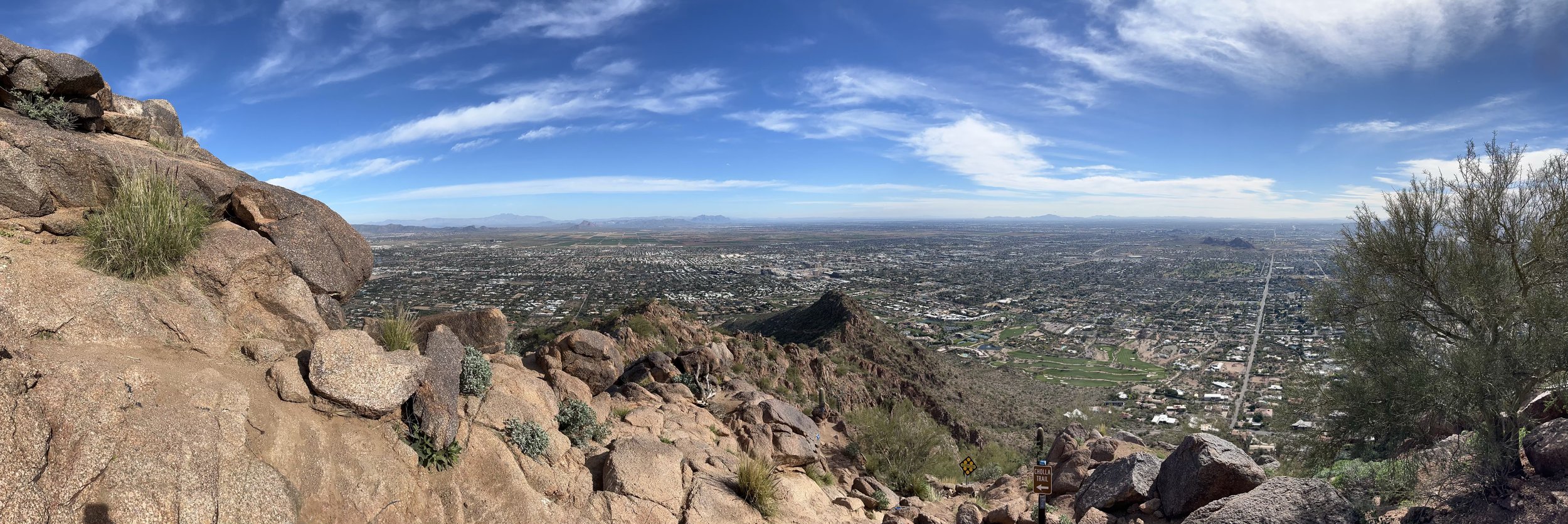
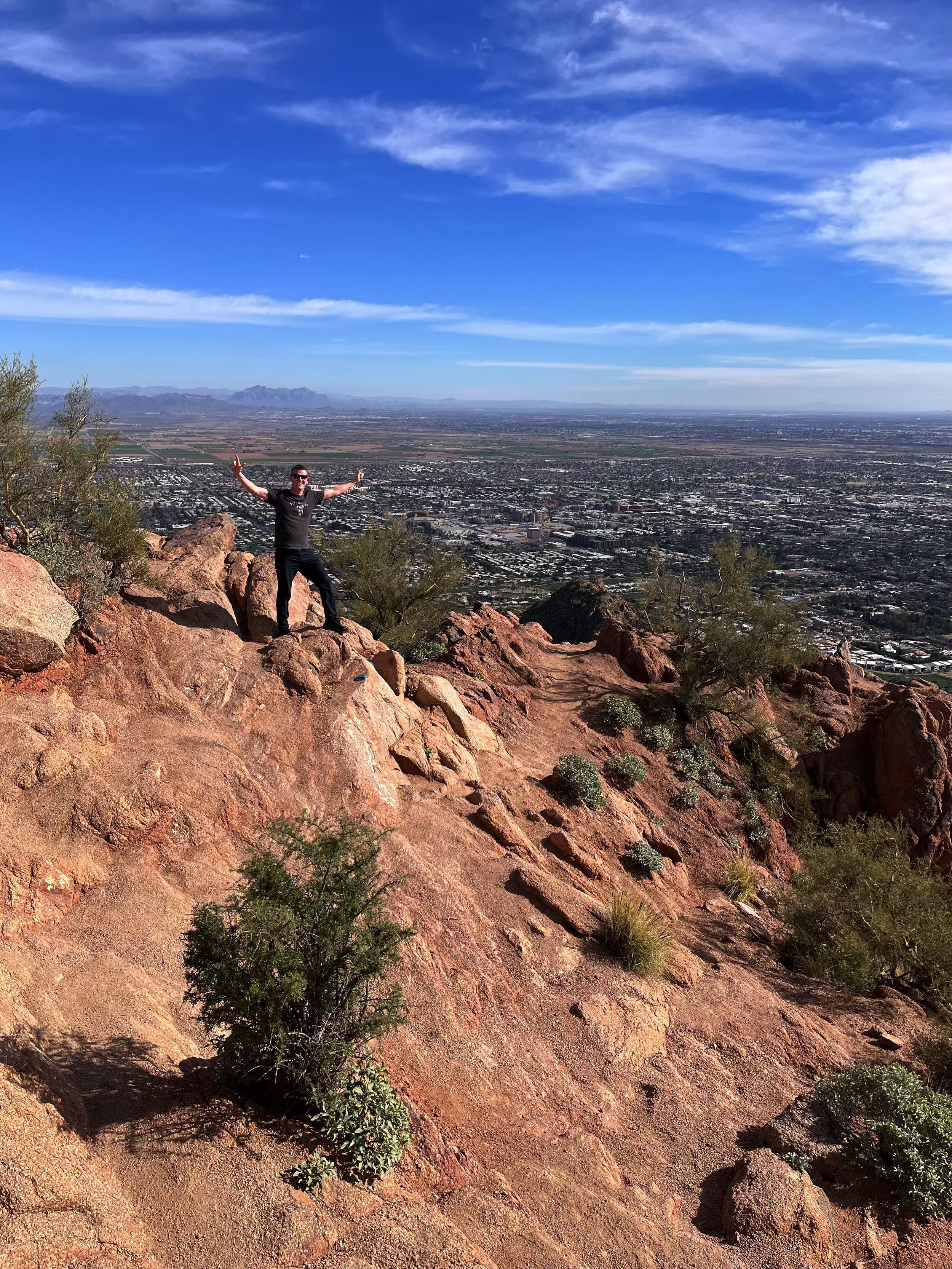
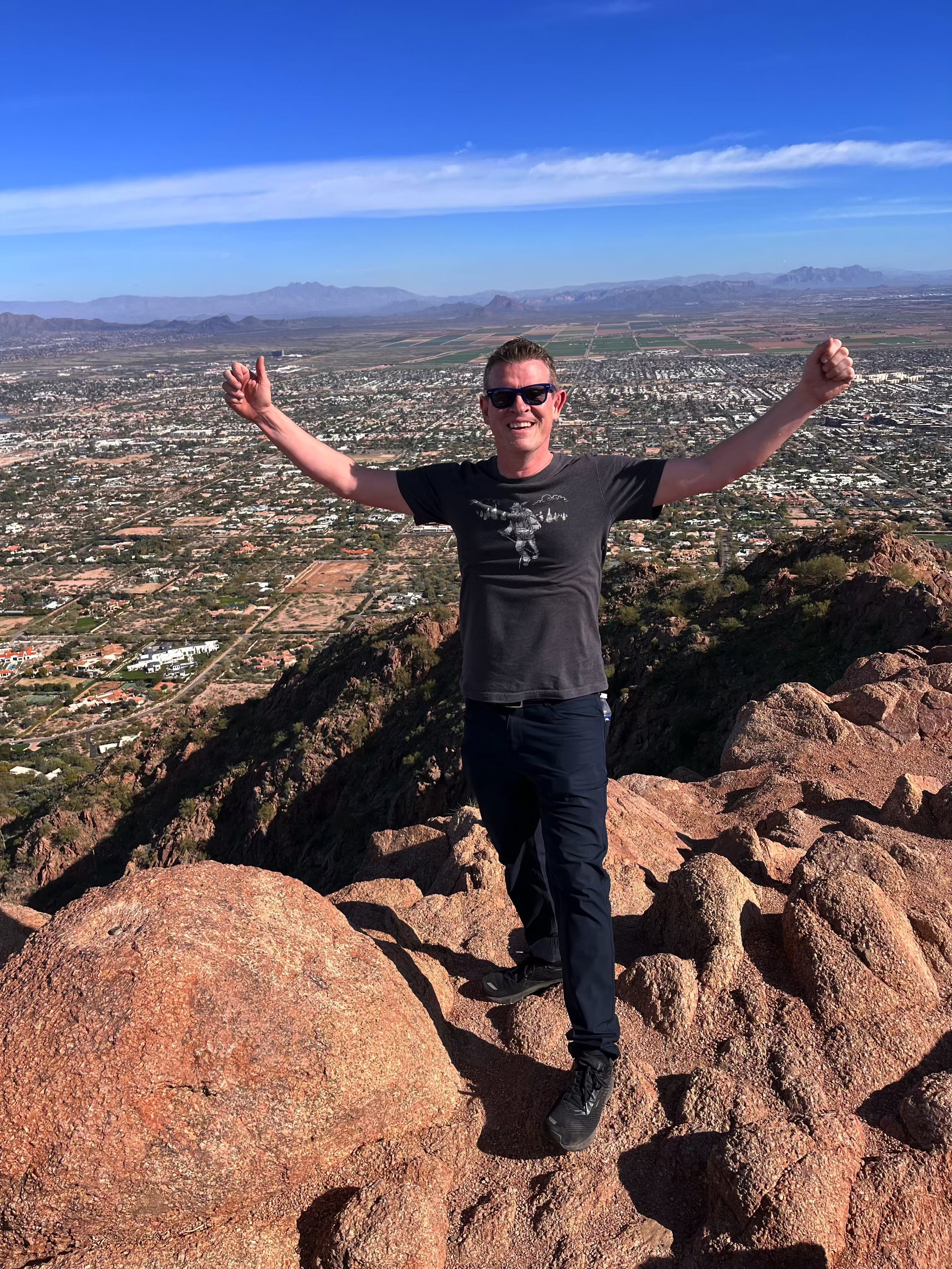
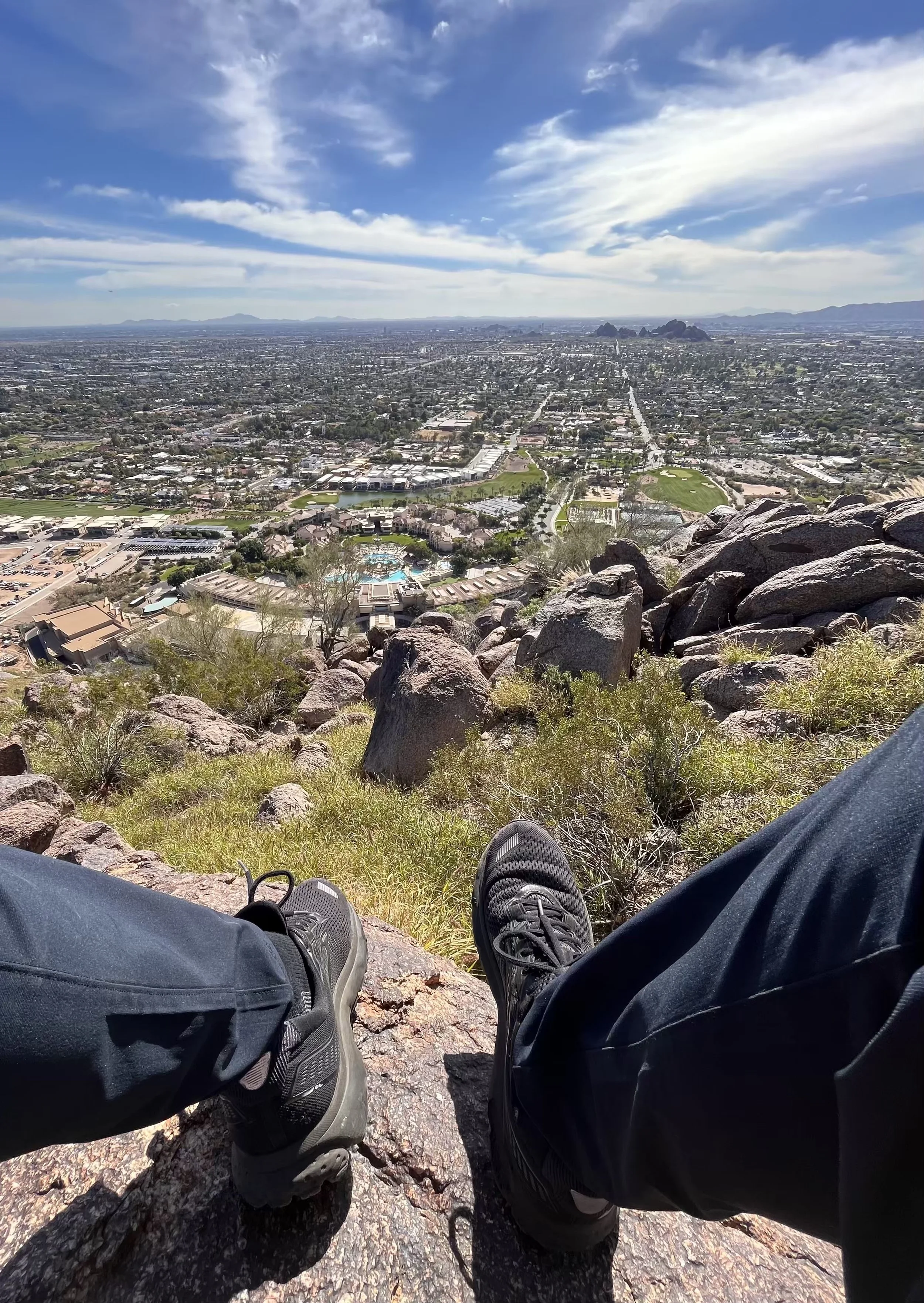
Eight life lessons from spontaneous hikes.

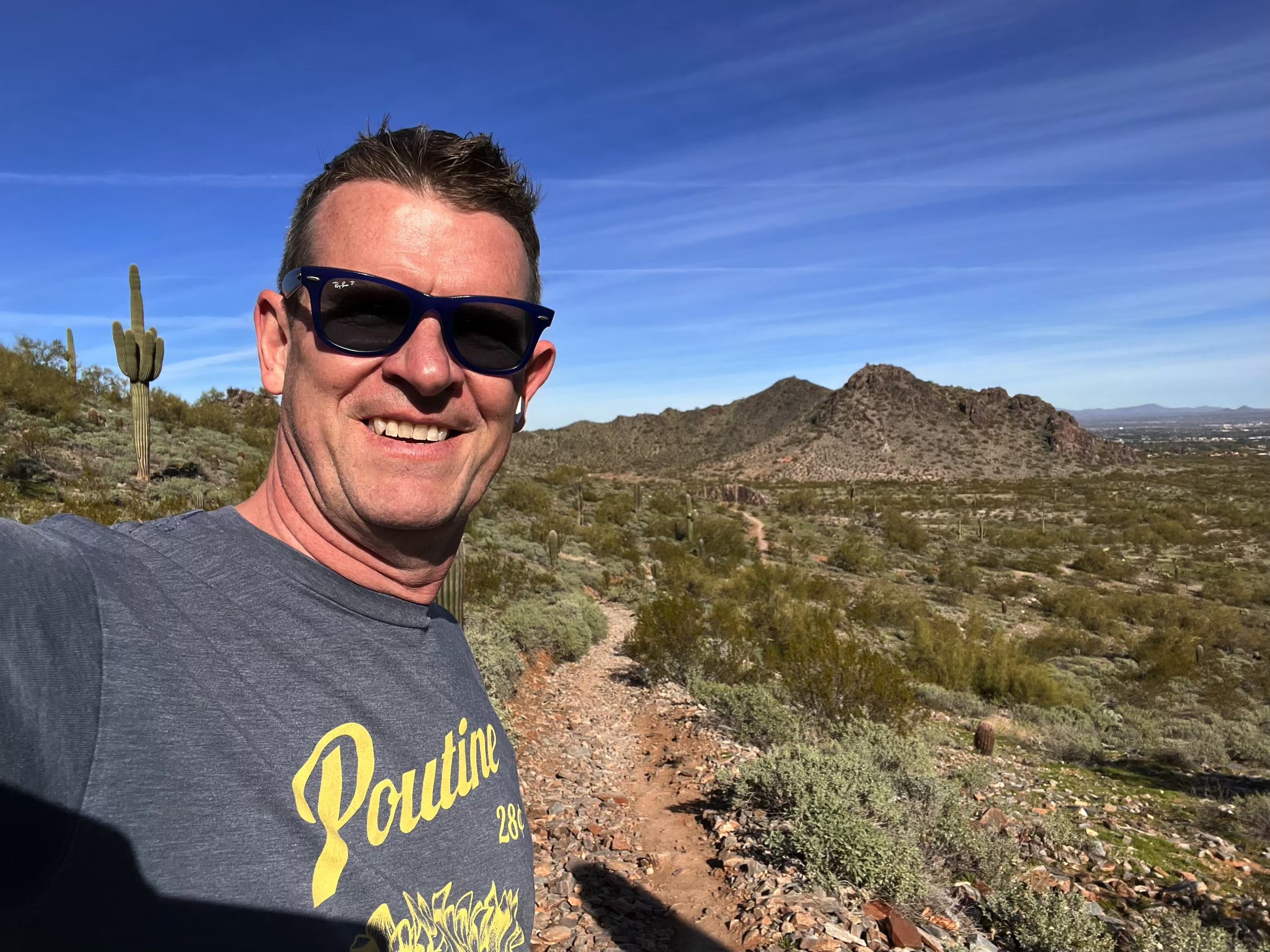
I managed to squeeze in two hikes while visiting Phoenix. I needed a little adventure and fresh air to clear my head and ruminate about my business. 

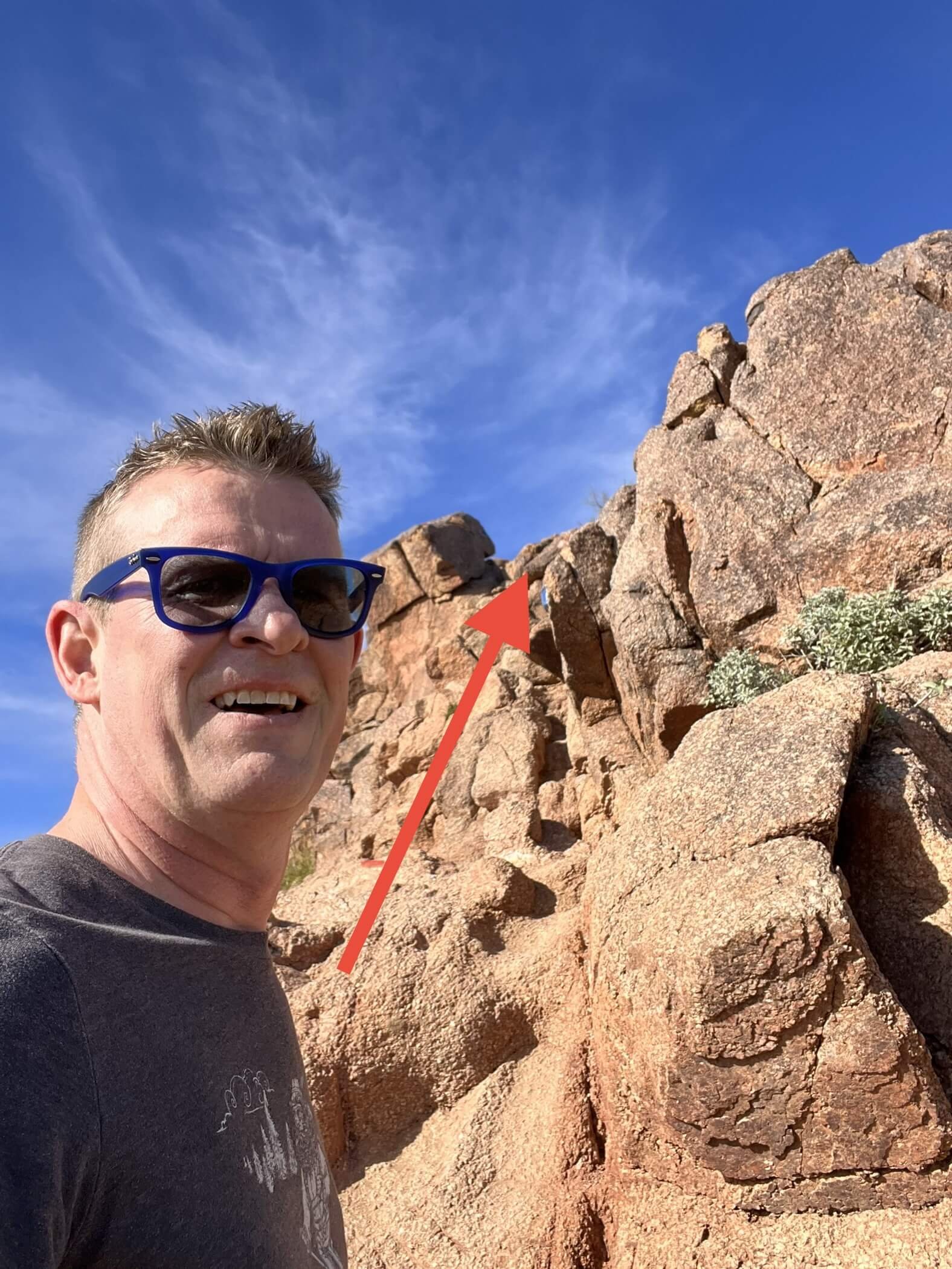
My hikes took me to Camelback Mountain via the Cholla Trail, a three-mile hike up 1,279 feet, with me climbing steep rock walls. And Phoenix Mountain Nature Trail 304, a less challenging two-mile hike into vast valleys. 

🌵Just do it. Nike sure nailed it with this, didn’t they? I had options to shop, eat, or stay in the lonely hotel room and stare at a screen. No, I fired up the All Trails app and chose the hikes based on their popularity. The first was labeled Hard, and the second was Moderate. 

🌵 Don’t be cocky or complacent. It’s always easier and faster getting down from the mountain than up. I moved a little too quickly, passing through the same loose rocks and cliff edges. I reminded myself that I could just as easily break or twist my ankle by not paying enough attention or being careful. Be careful going up and down.

🌵 The goal is closer than you think. It is. I almost quit the Cholla Trail when I noticed how much further I still had to climb and how steep and distant it seemed. The analogy of my work leading me to something bigger and better didn't escape me. I'm getting closer.

🌵 Be supportive. When I decided not to quit and keep pushing upward, a man passed me who said it was not much further. He added, “You can do it, man!” I reciprocated on the down part of my hike as I passed tired-looking people facing the same decision to quit.

🌵 Know your limits. As I got closer to the lowest lookouts, I came across a couple. The man held a baby to his chest, and the woman held a small child's hand. I was thankful they knew better than to attempt that climb with children in tow. I recalled seeing an idiotic man standing on a slippery rock at a waterfall. He held a child on his shoulders, wearing the cheapest plastic flip-flops. That image has never escaped me. Stupid, stupid, stupid. 

🌵 Prepare yourself. I was nearing the end of my return along the Piestewa Trail when I met James. I loved chatting with this older retired Silicon Valley engineer. I assured him the trail wasn’t too bad to go further, but he noted he had failed to bring any water and didn’t want to risk it. He was wise not to proceed. I also bought some sunblock and lathered up before each hike and was sure my phone had power - just in case. 
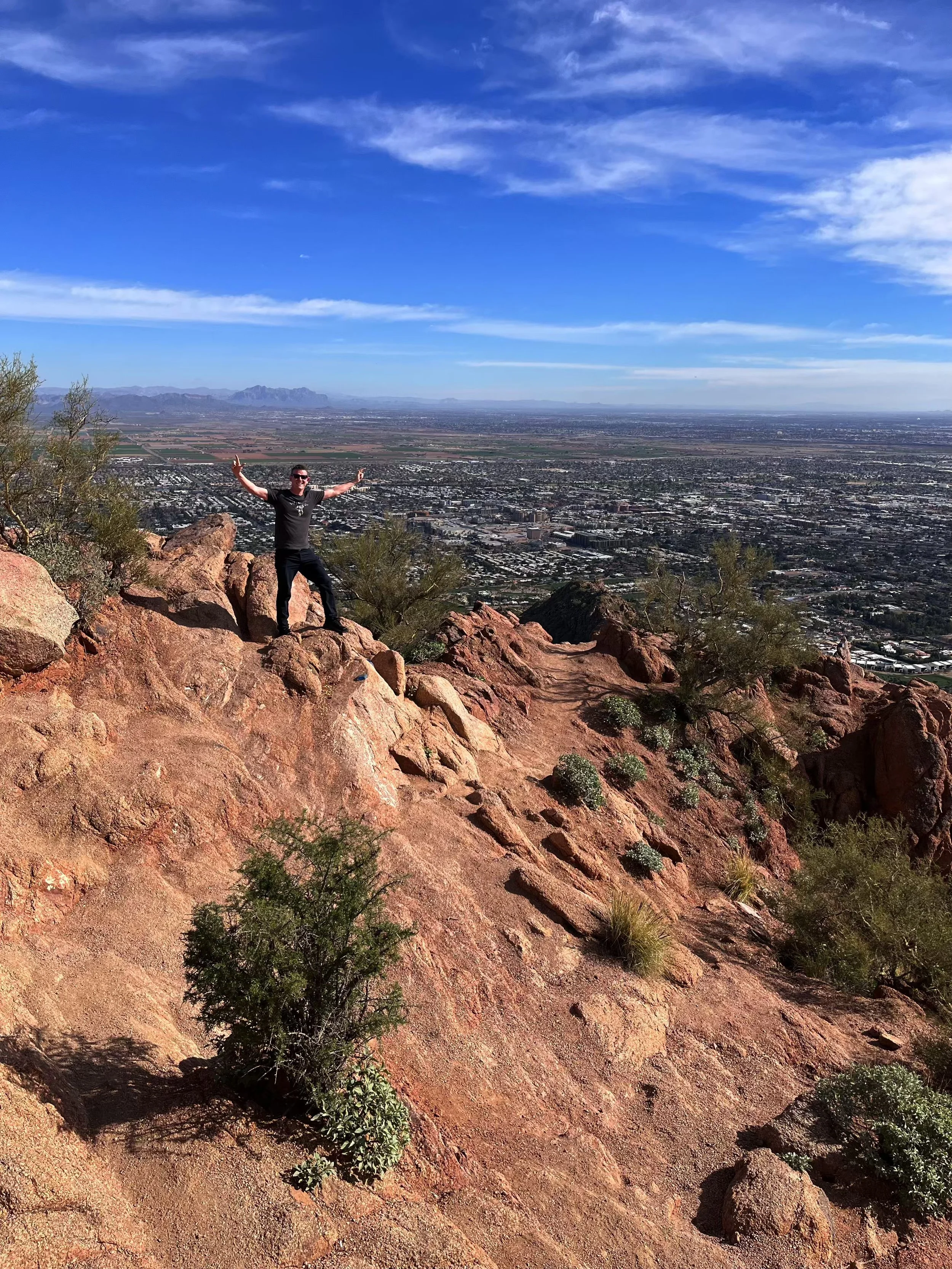
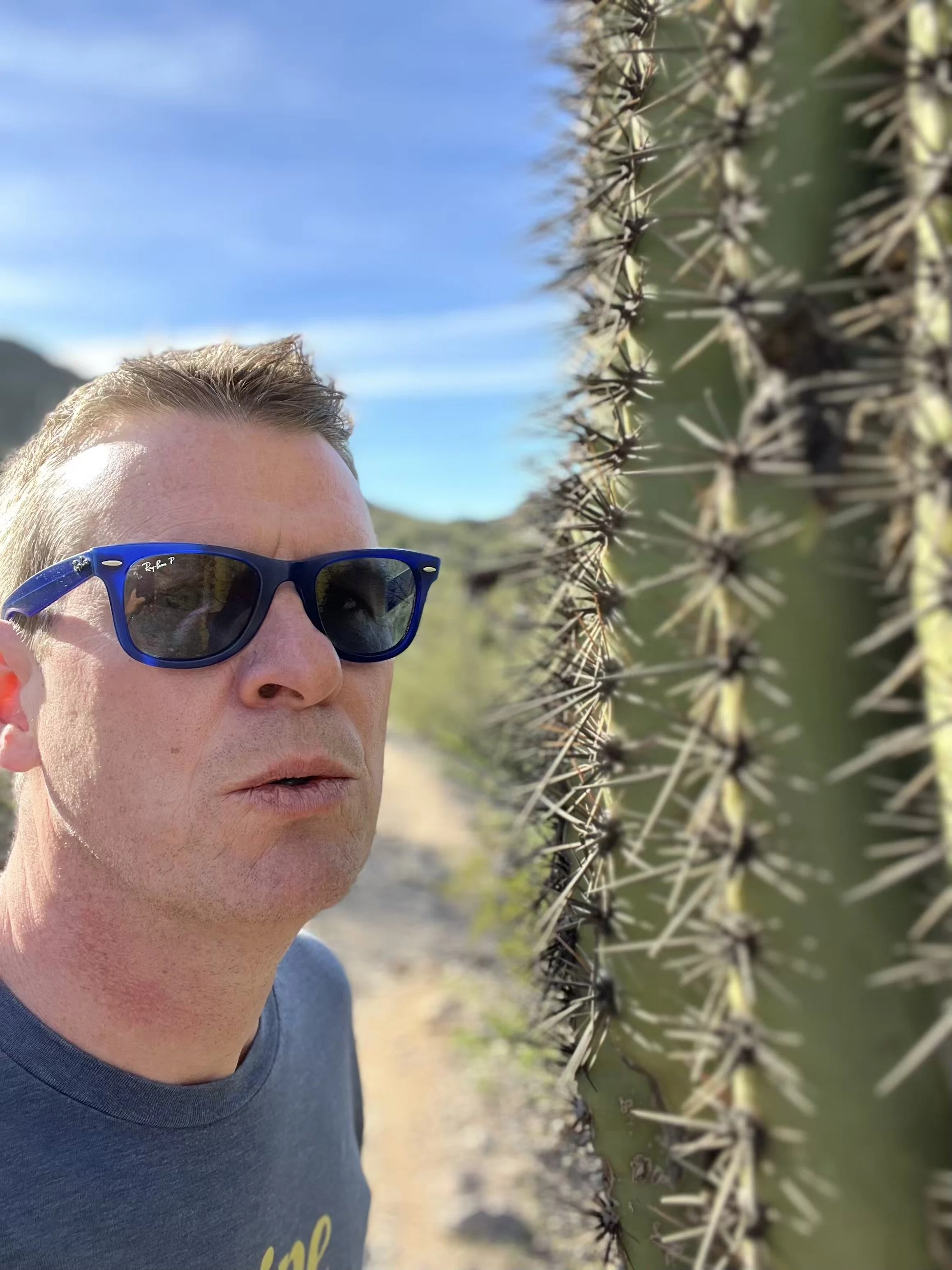
🌵 Pause and reflect. Along both hikes, I found a comfortable rock (as comfortable as rocks get) to sit on and reflect. Just breathing in the air and following my breath left me so relaxed and happy as the sun warmed me, and the shadow from the massive cacti kept me shaded. 

🌵 Don’t forget your business cards. On the first hike, I met a wonderful British couple from Soho in London. Michelle and Joe who was kind enough to offer me his business card and urged me to reach out when we visit London. I had my cards with me and gave James one on the second day should he find his way to Nashville.  

🌄 Not only did I get some needed exercise walking the mountain trails and roads around Scottsdale, about ten miles over a couple of days, but these lessons served as invaluable reminders to live a good life and hit those trails no matter where my travels take me. 

 Where will the trails take you?

Looking for corporate workshop ideas that are fun workshops for employees?

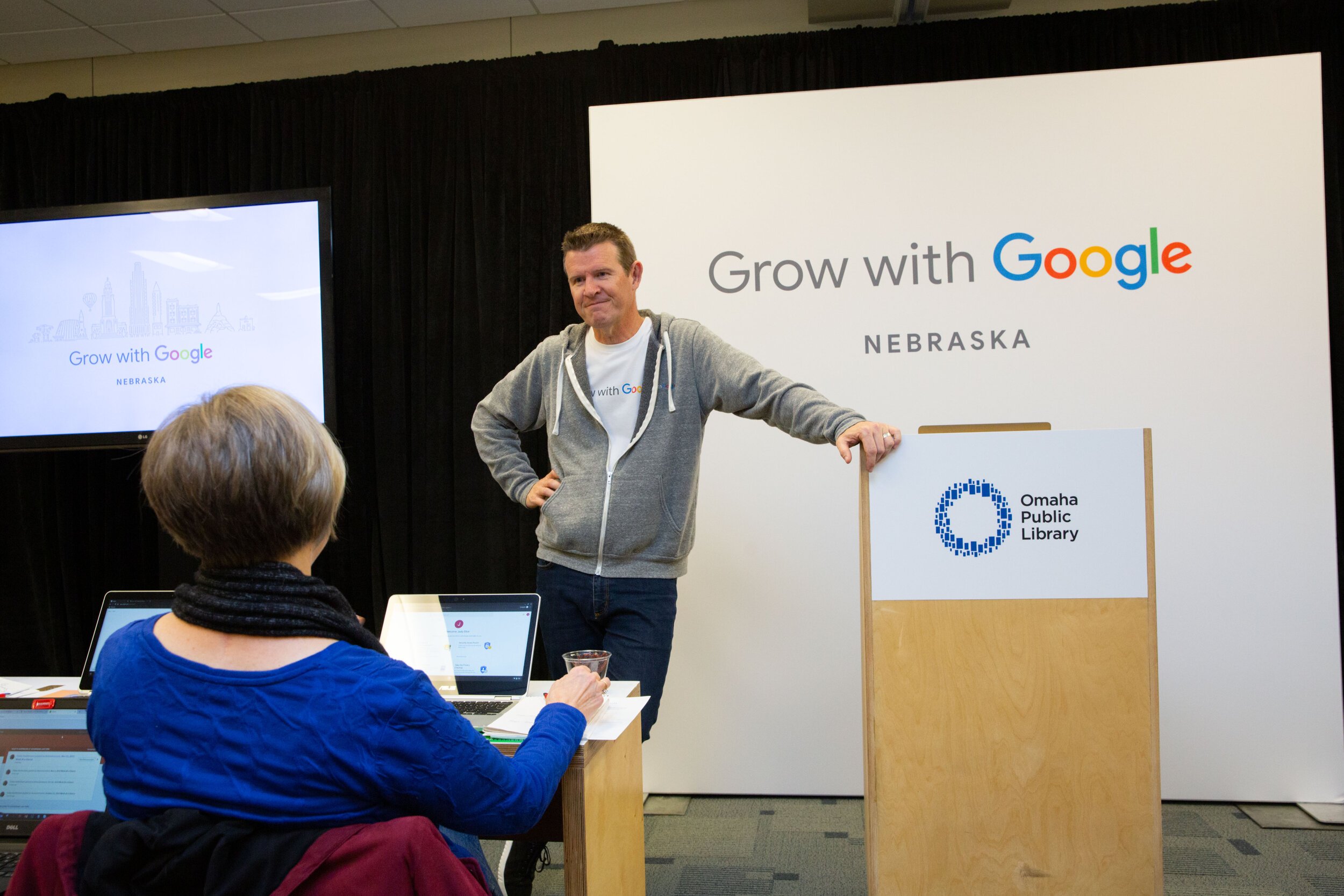
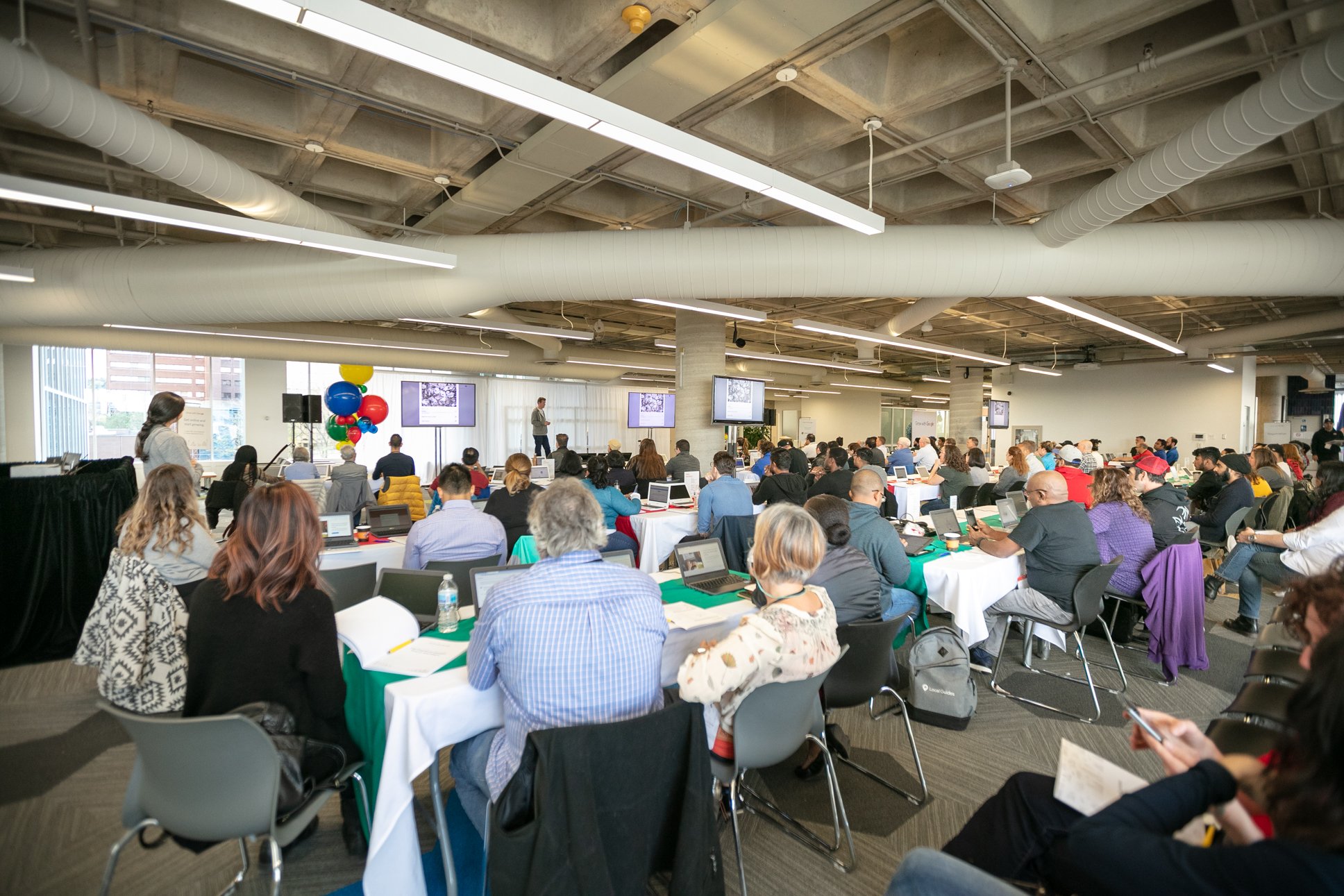
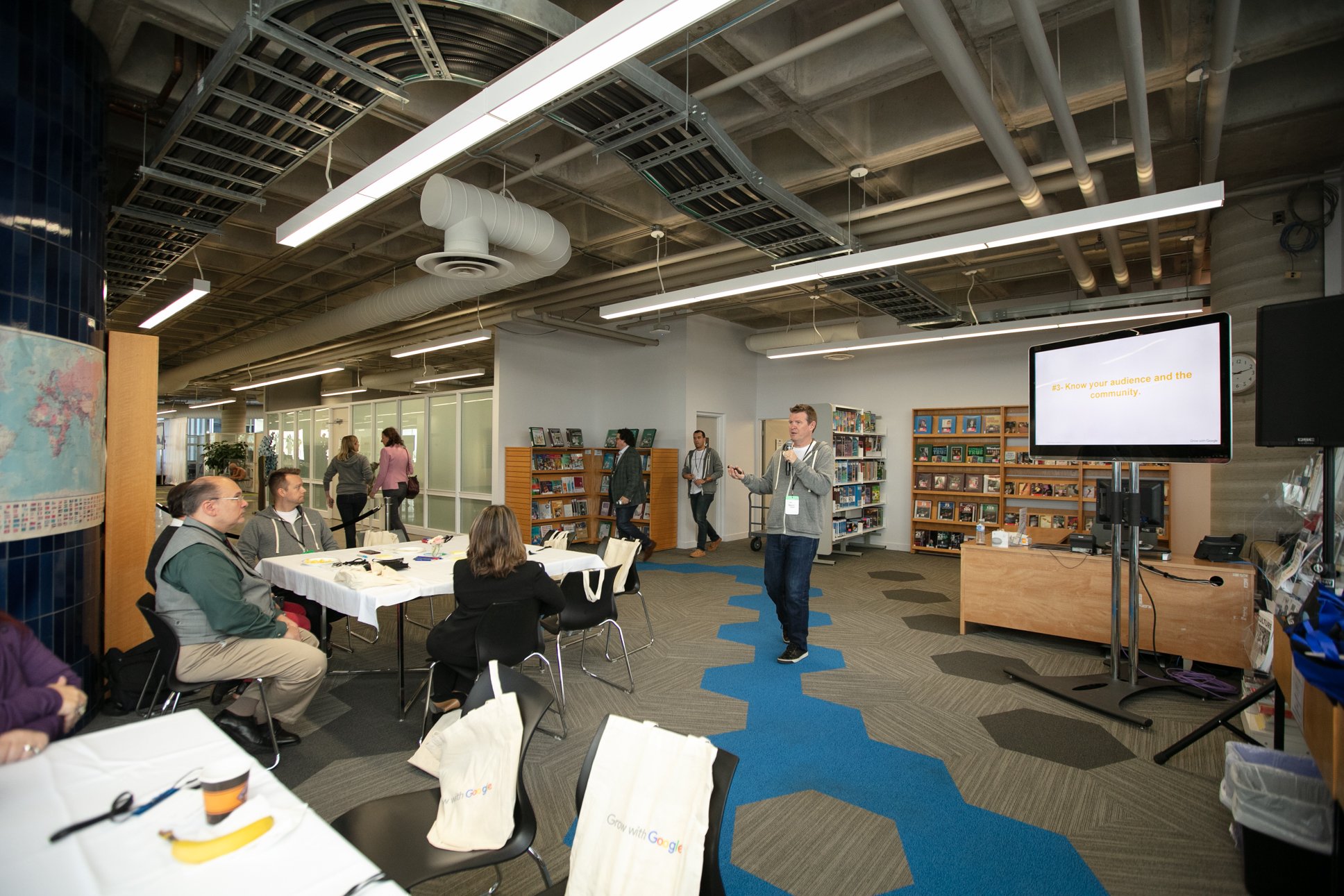
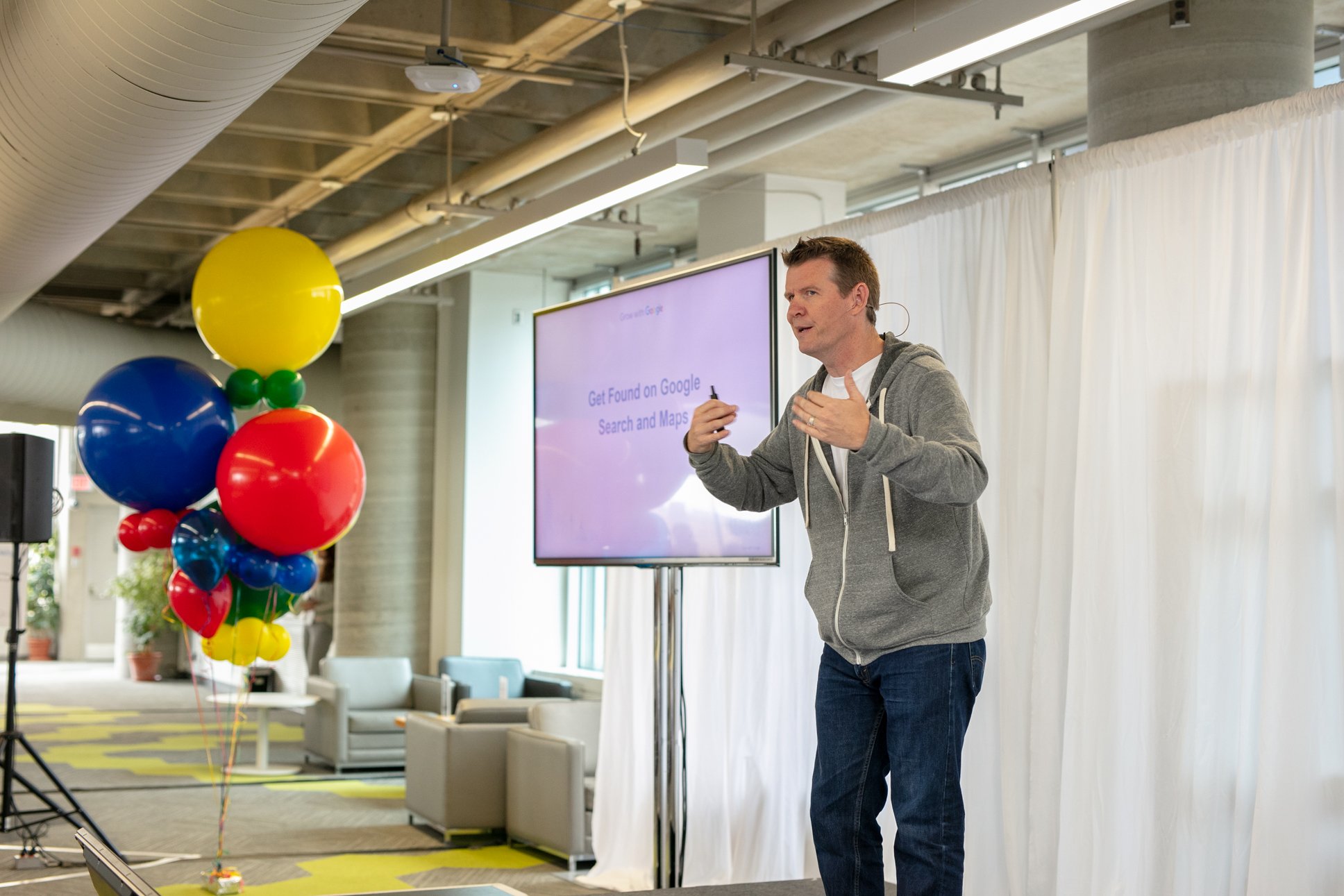
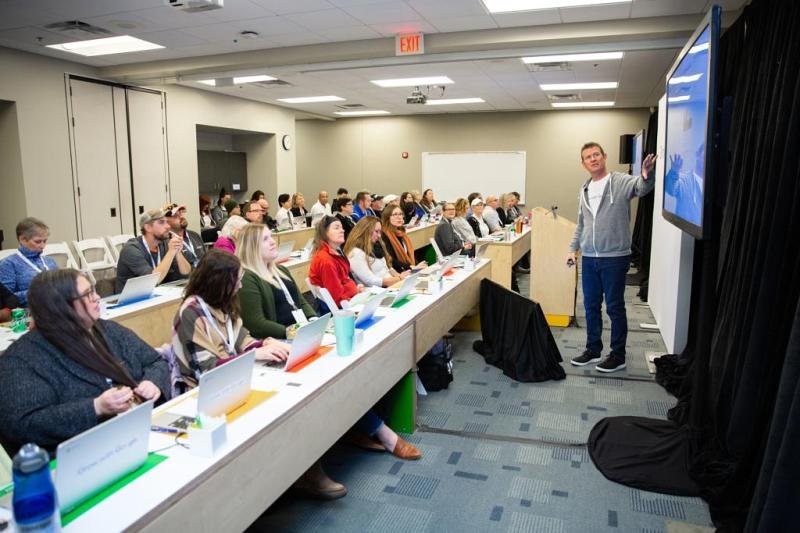
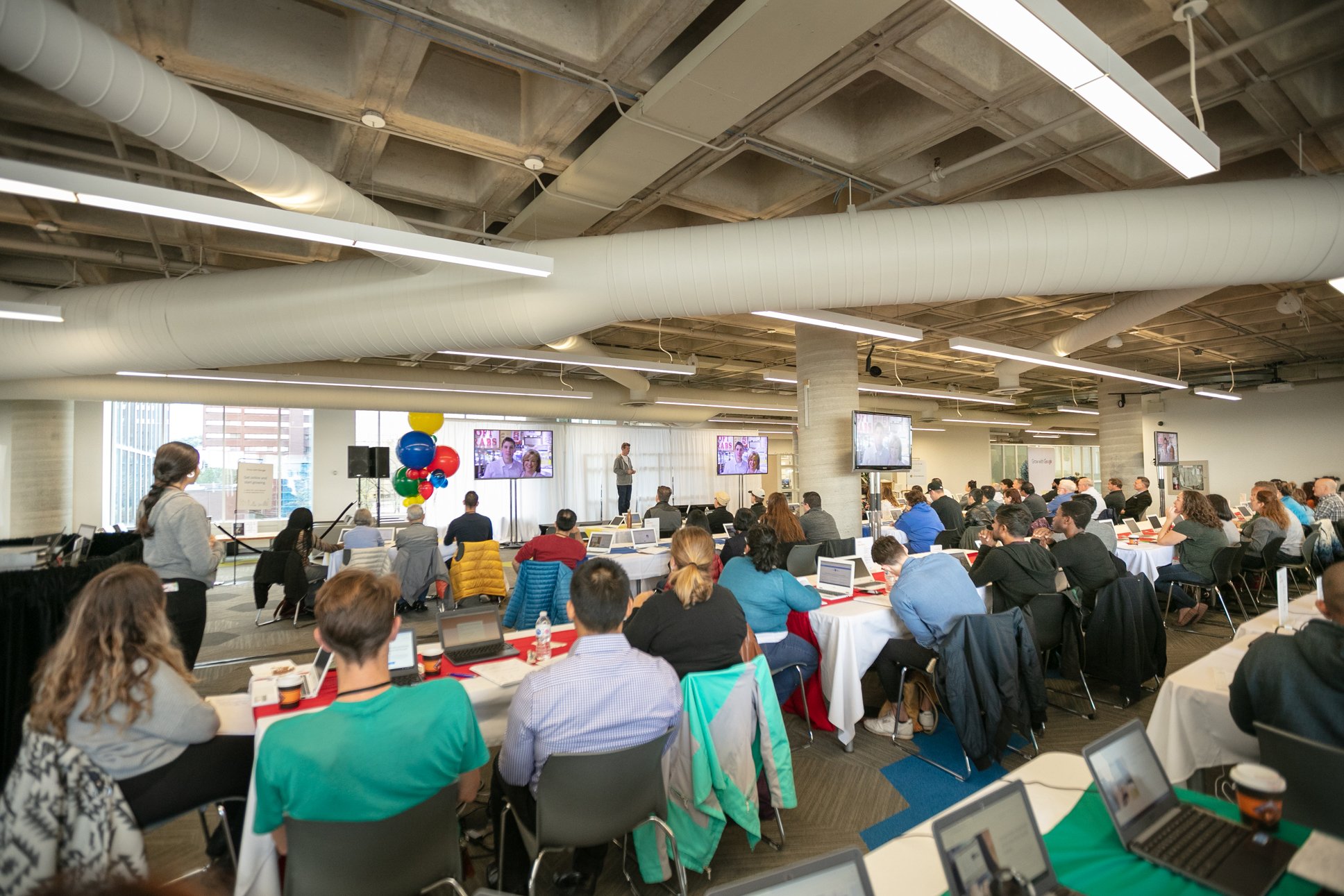
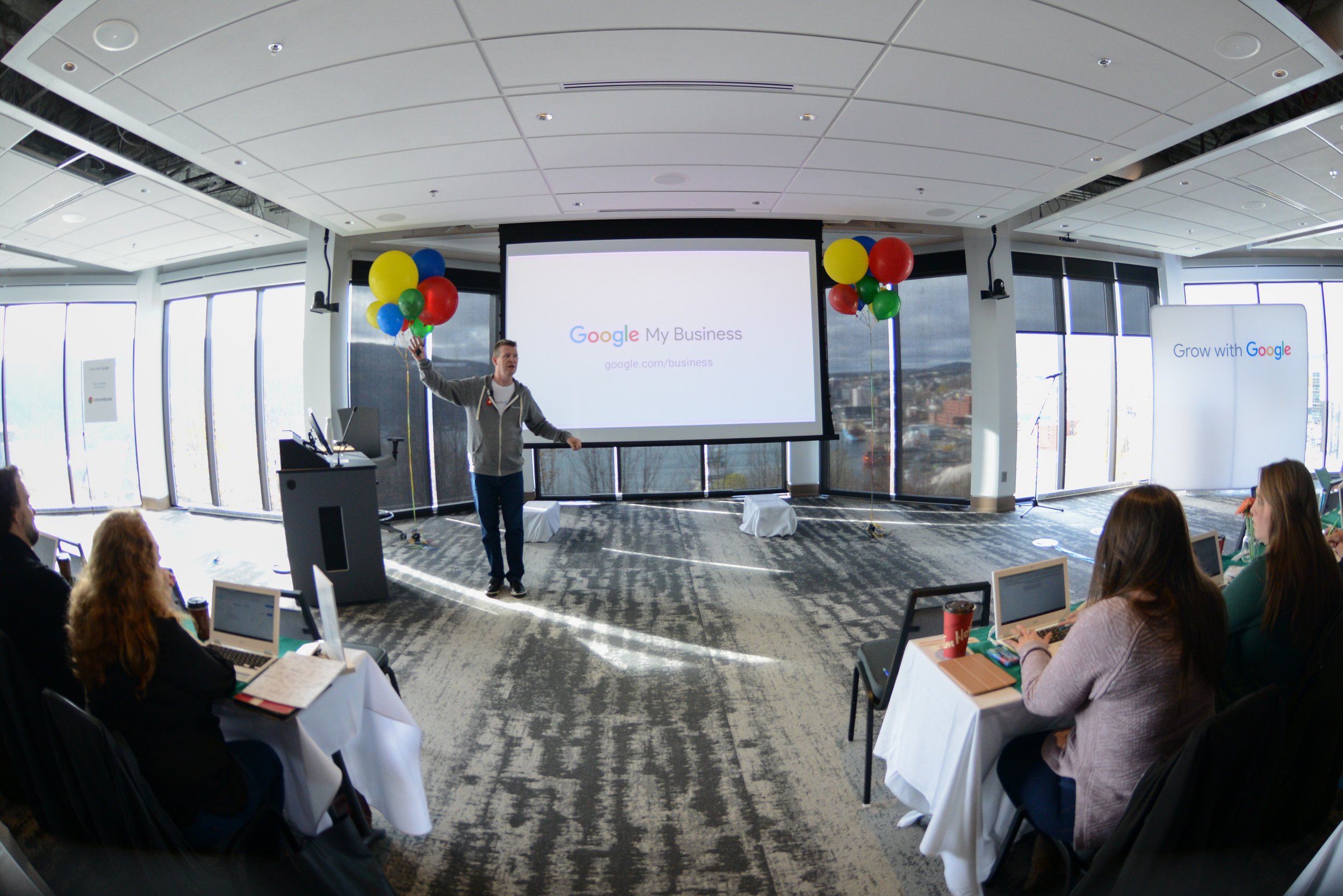
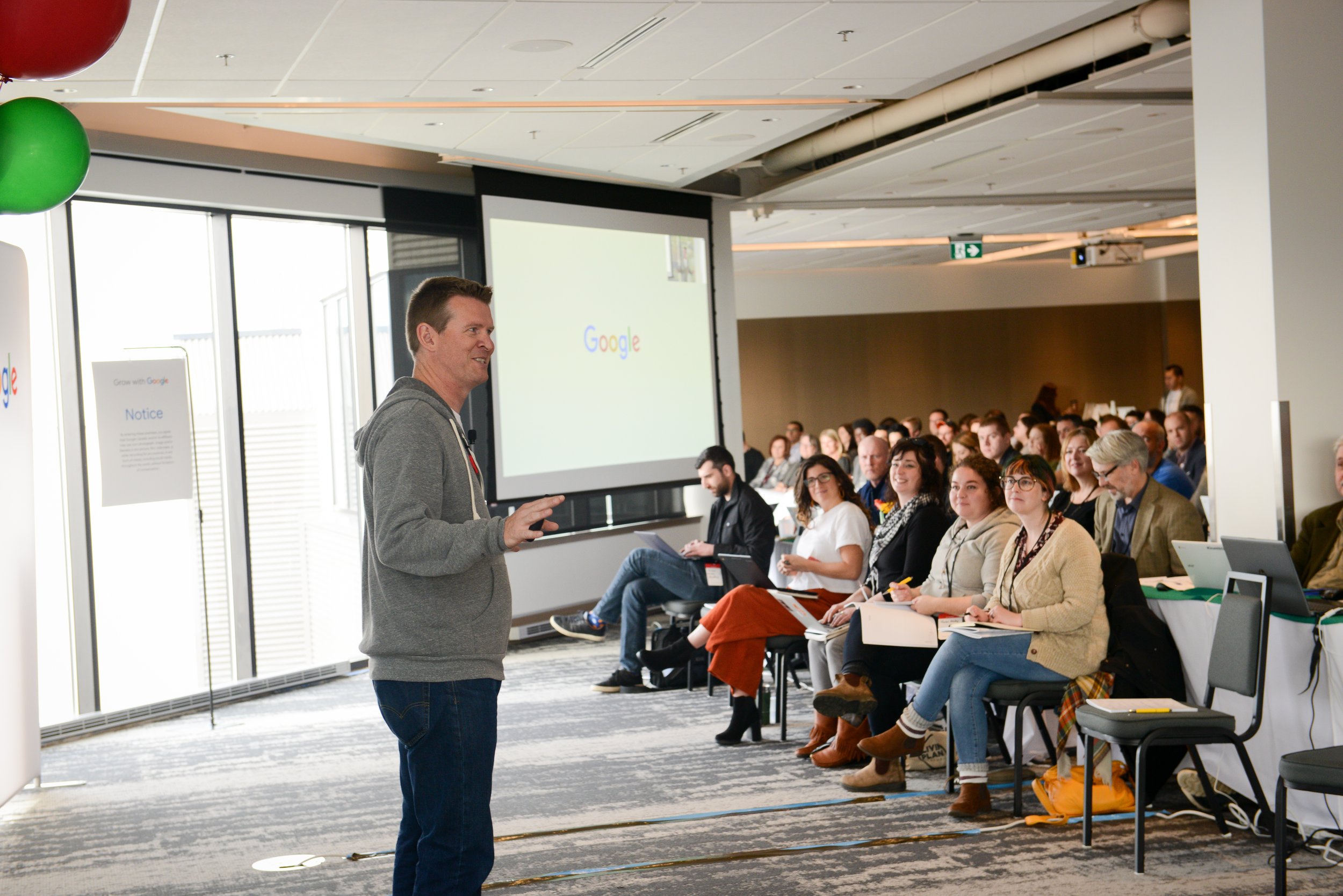
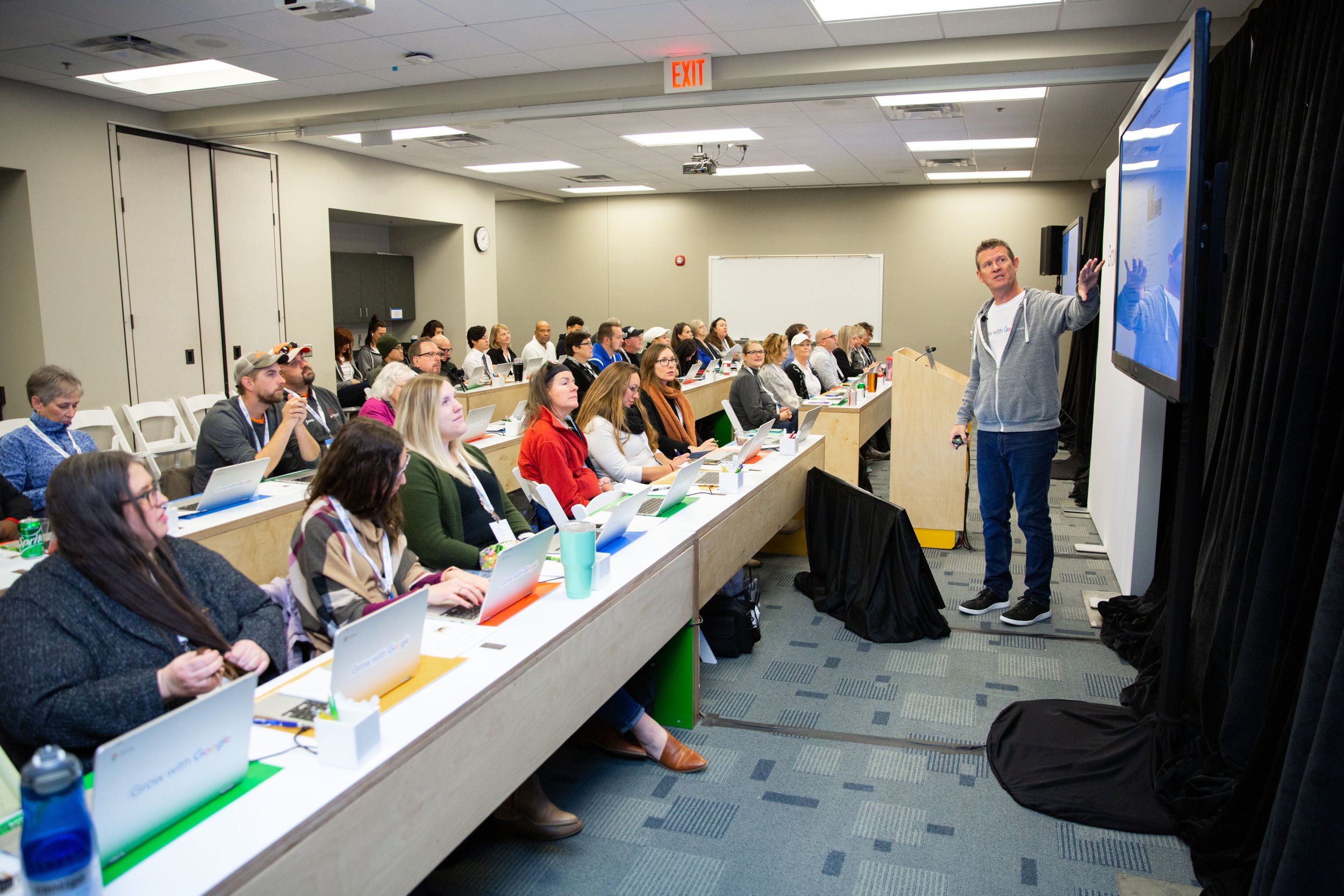
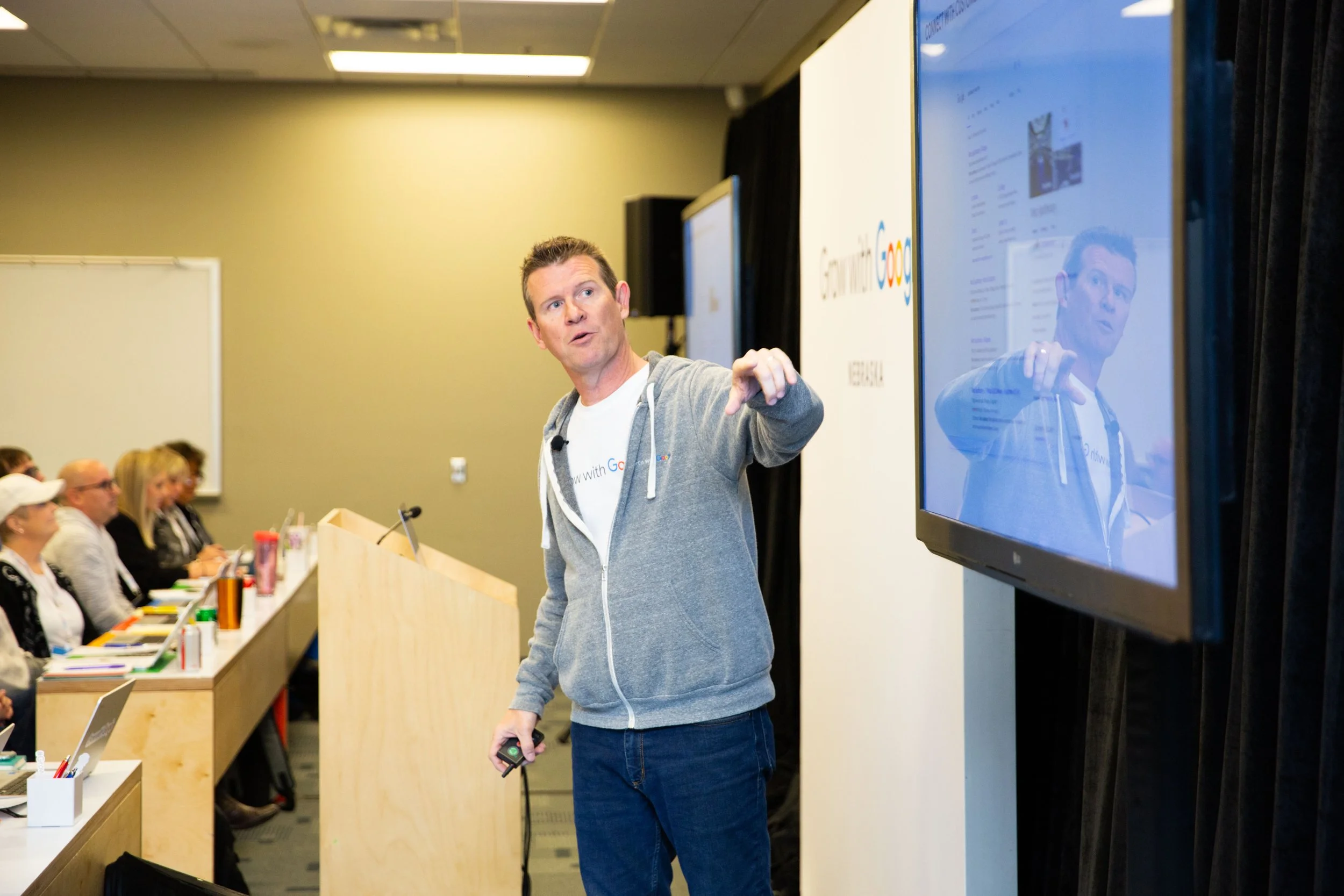
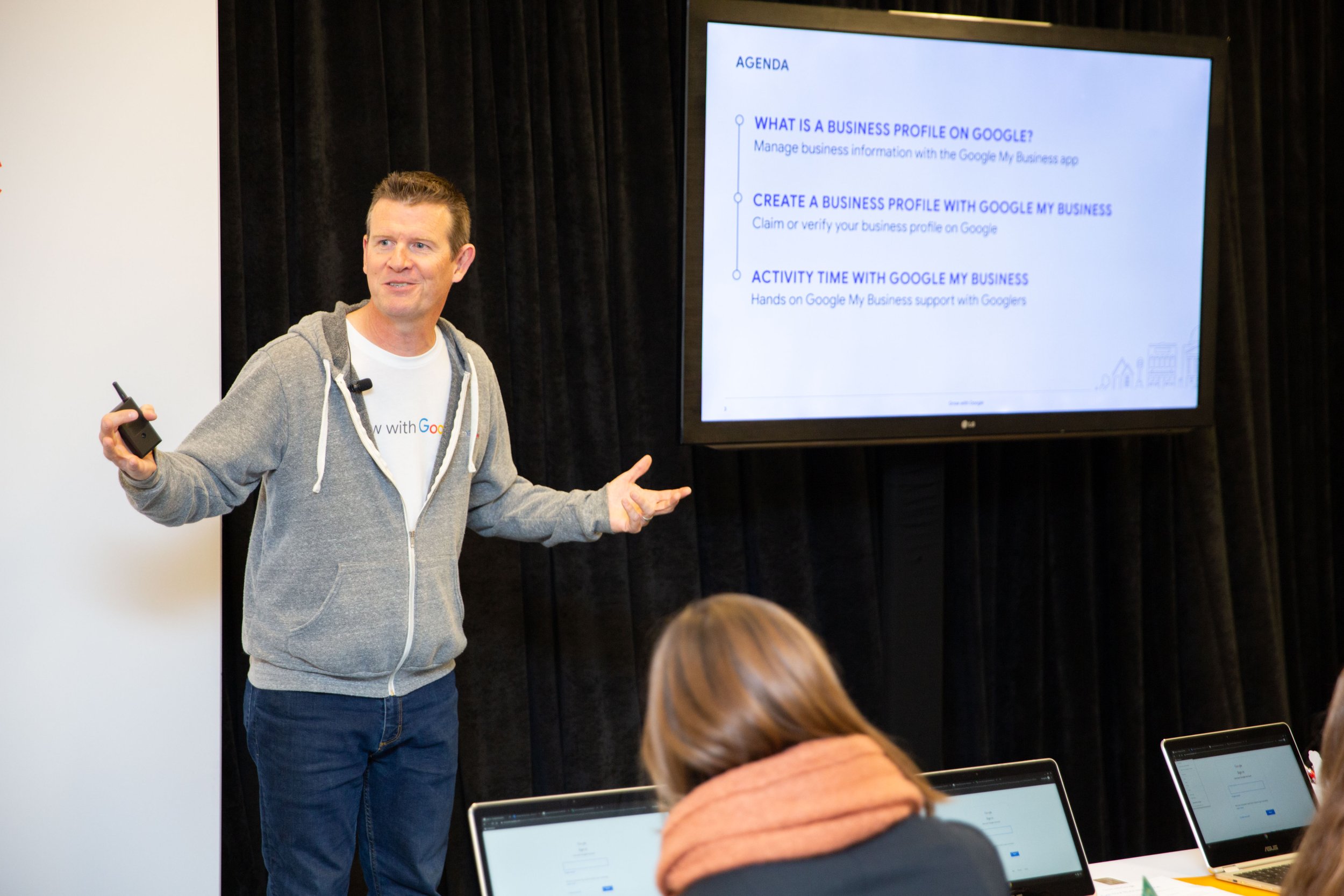
In 2017, I became a contract speaker for Google. Since then, I have taught thousands of people how to improve their digital skills to grow their businesses and careers. I’ve worked with wonderful organizations like the SBDC, SBA, SCORE, chambers of commerce, colleges, and libraries across the United States and Canada. Let me know if you’d like some help too.

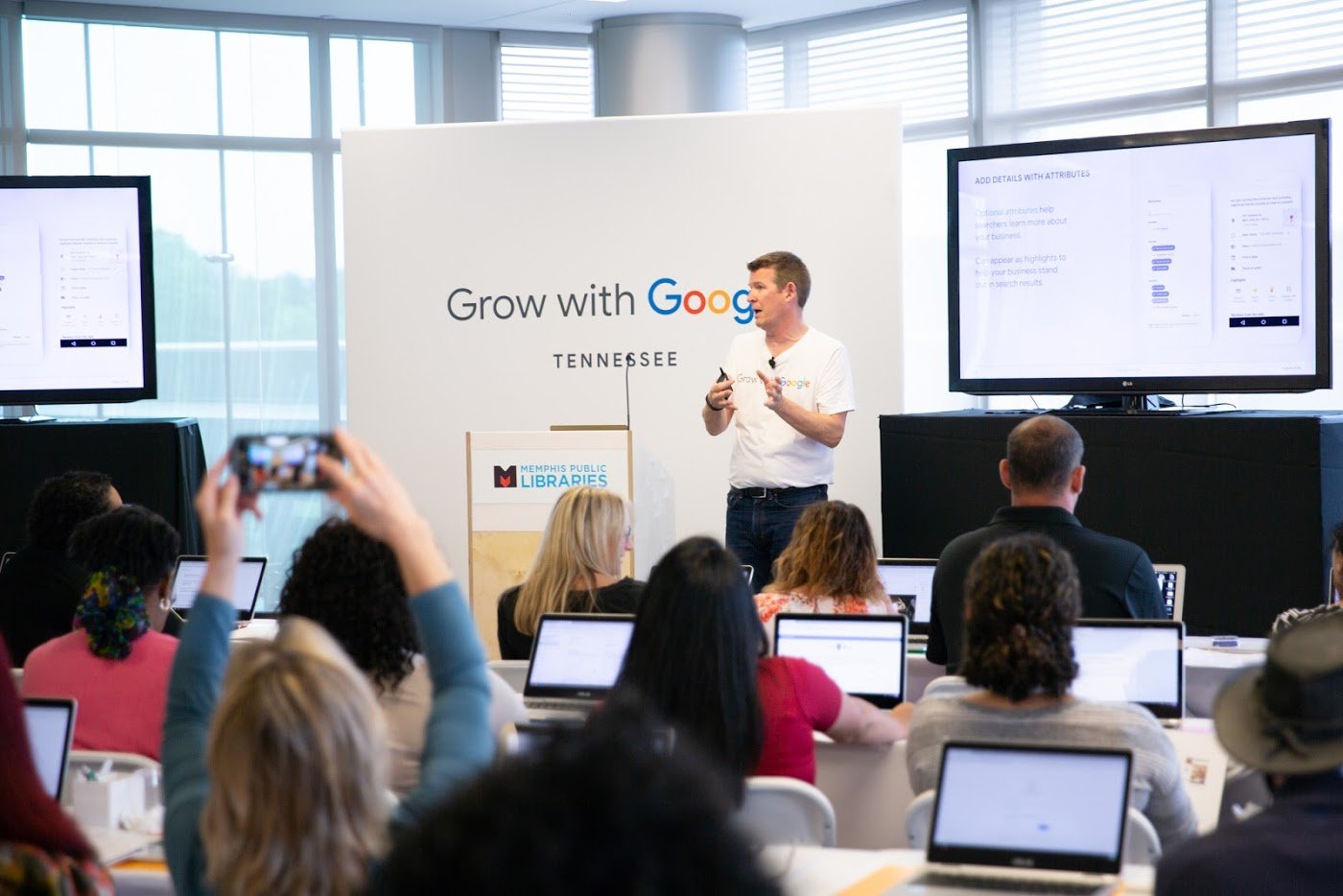
As a Grow with Google speaker, Google trusts me to represent them across multiple states, including Indiana, Kentucky, Tennessee, Mississippi, Louisiana, and Arizona. I’ve even represented Google on local and national television news.

One highlight of representing Google was being booked as the head trainer for six flagship events across Canada, where I spoke to audiences in the hundreds. Along this journey, I was also asked to train Google trainers to improve their presentation skills in train-the-trainers sessions.

Now I’m offering this to you. If you have a team of trainers or a department (like sales and marketing) who wish to improve their communication skills, or you want to communicate with confidence, check this out.

Next week, I will be in Arizona teaching a team of wonderful trainers in my COMMUNICATION & STORYTELLING WORKSHOP. I can't wait to help them improve how they represent their company. I’d love to help you too.

Slow down and change your perspective.

My biggest takeaway from 2022 was to slow down and focus on perspective. What I learned directly resulted from a steady practice of mindfulness and meditation. The revelation came as I strolled along the lower trail of a State Park.

Radnor Lake is an over 1,300-acre nature preserve on the edge of Nashville. It has always been a favorite since moving to Music City in 2007. I’ve strolled along the tranquil lake paths and up to the more challenging cliffs many times with friends, family, and on my own. It was on my own when the thought of putting things in perspective hit home.

I suddenly felt melancholy and sadness as I noticed young children frolicking around me. It occurred to me that our kids are now teenagers, and the days of entertaining our young ones through the forest were gone. I was feeling lonely.

A lack of connection causes loneliness and is synonymous with perceived social isolation, not objective social isolation. Even living among people you love, you can still feel lonely. My challenges with anxiety weren’t helping me at that moment.

I noticed how happy the parents looked as they laughed at their kids being silly, bouncing through the leaves, and climbing the trees. I asked myself why I was feeling sad. The answer made me realize that my chosen emotion needed to be corrected. It wasn’t sadness that I should be feeling but happiness, but why happiness?

  • Happy that these random parents and their children were having fun around me.

  • Happy that I took our kids through these same trails many times when they were little.

  • Happy that our kids now have memories of their own and enjoy such hikes in their later teenage years.

  • Happy that I did this with our kids. I chose to take them on these walks through the woods.

This occasion of walking alone in the woods triggered my reflection, which led to the revelation. I realized that true sadness would be warranted if I had never taken them on the trails. If I had never spent time playing with them through those woods, that regret and sadness would make sense to me.

Slowing down and going for the hike helped me clear my head. The power of perspective made me realize it was a time to celebrate. I remember smiling and feeling great joy as I continued my hike along Radnor Lake.